‘To Thine Own Self Be True’, Meaning & History Of The Phrase

‘To thine own self be true’ is a line from Act 1 Scene 3 of Shakespeare’s play, Hamlet. It is spoken by King Claudius’ chief minister, Polonius as part of a speech. Here’s the whole thing…

“There, my blessing with thee.
And these few precepts in thy memory
Look thou character. Give thy thoughts no tongue,
Nor any unproportioned thought his act.
Be thou familiar but by no means vulgar.
Those friends thou hast, and their adoption tried,
Grapple them unto thy soul with hoops of steel,

But do not dull thy palm with entertainment
Of each new-hatched, unfledged comrade. Beware
Of entrance to a quarrel, but being in,
Bear ’t that th’ opposèd may beware of thee.
Give every man thy ear but few thy voice.
Take each man’s censure but reserve thy judgment.
Costly thy habit as thy purse can buy,
But not expressed in fancy—rich, not gaudy,
For the apparel oft proclaims the man,
And they in France of the best rank and station
Are of a most select and generous chief in that.
Neither a borrower nor a lender be,
For loan oft loses both itself and friend,
And borrowing dulls the edge of husbandry.
This above all: to thine own self be true,
And it must follow, as the night the day,
Thou canst not then be false to any man.

Farewell. My blessing season this in thee.”

I could feast on these words for a long, long time…

Source: ‘To Thine Own Self Be True’, Meaning & History Of Phrase✔️
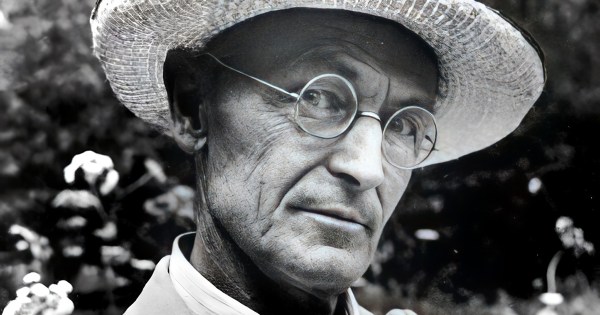
Happy birthday Hermann Hesse

Today is the birthday of my favorite author Hermann Hesse. Who?

Hermann Hesse: A Comprehensive Biography

Early Life and Background

Hermann Hesse was born on July 2, 1877, in Calw, a small town in the Black Forest region of Germany. He came from a family of missionaries and was influenced by the cultural and theological environment of his upbringing. His father, Eugen Hesse, was a German-Swiss missionary, and his mother, Hermannine, was the daughter of a prominent German family. This mixture of cultural backgrounds and the strong influence of religion would play a significant role in shaping Hesse’s literary themes.

Continue reading “Happy birthday Hermann Hesse”

Hermann Hesse on Discovering the Soul Beneath the Self and the Key to Finding Peace

“Self-hate is really the same thing as sheer egoism, and in the long run breeds the same cruel isolation and despair.” Source: Hermann Hesse on Discovering the Soul Beneath the Self and the Key to Finding Peace

The Two Souls Within: Hermann Hesse on the Dual Life of the Creative Spirit

“Coursing through every civilization are the myths that shape what its people come to believe about reality and possibility. Some of them are healing and some damaging. Some are easy to recognize for what they are — almost all isms are damaging myths. But some are more subtle, more pernicious, permeating the substratum of culture and the marrow of the psyche.” Source: The Two Souls Within: Hermann Hesse on the Dual Life of the Creative Spirit

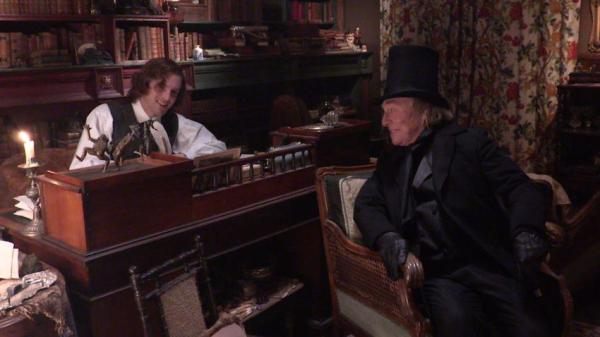
The Man Who Invented Christmas

In October 1843, Charles Dickens (Dan Stevens) was suffering from the failure of his last three books. Rejected by his publishers, he set out to write and self-publish a book he hoped would keep his family afloat and revive his career. Directed by Bharat Nalluri from Les Standiford’s book of the same name, The Man Who Invented Christmas tells the story of the six fever-pitched weeks in which Dickens created A Christmas Carol. The film takes audiences inside the magical process that brought to life Ebenezer Scrooge (Christopher Plummer), Tiny Tim and others, changing the holiday into the merry family event we know today. Source: Bleecker Street

Watch this and then pick the version of The Christmas Carol that suits you best…

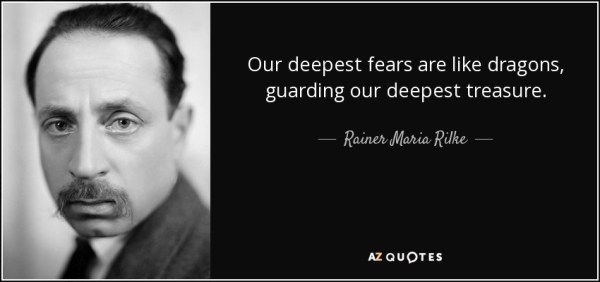
The Dragon Princess by Rainer Maria Rilke

The quote above is lovely. Unfortunately, Rilke never said it. It fact, it’s an attempt to capsulize another quote of his. Here’s what he really said:


Start a Blog at WordPress.com.

Up ↑