5 Ways to Reengage With Life When Feeling Down

Embrace the magic of life, despite its hardships! This article contains 5 great ideas, including one that I unwittingly stumbled upon for myself a couple of decades ago. She also left out 1 way that I feel is worth mentioning: exercise or moving your body.

Exercise is not only beneficial for our physical well-being but also has a profound impact on our mood. Engaging in regular physical activity, whether it’s a brisk walk, a yoga session, or a vigorous workout, releases endorphins in our brain, which are known as “feel-good” hormones. These endorphins help to alleviate stress, reduce anxiety, and boost overall happiness. Moreover, exercise provides a much-needed break from our daily routines and allows us to shift our focus away from negative thoughts, enabling a sense of mental clarity and rejuvenation. So, next time you’re feeling down, remember that a simple workout can be a powerful tool to uplift your spirits and reinvigorate your zest for life.

Read about the other 5 ways: 5 Ways to Reengage With Life When Feeling Down

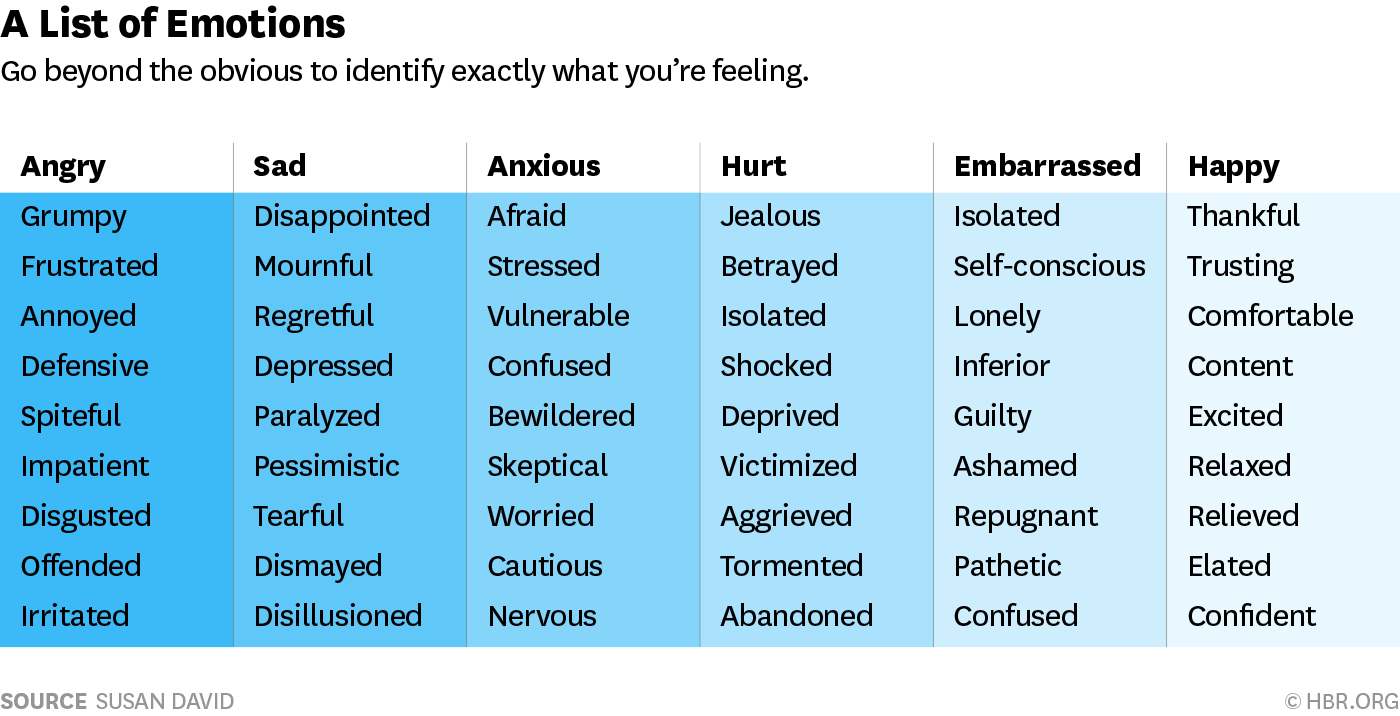
3 Ways to Better Understand Your Emotions

Naming them is an important first step. Go to the source to learn more about how to use this tool: 3 Ways to Better Understand Your Emotions

Why Humming Could Be Your Ticket to Near-Instant Calm

Don’t knock it before you try it. Source: Why Humming Could Be Your Ticket to Near-Instant Calm

How the Brain Really Generates Fear and Anxiety

A new documentary on neuroscientist Joseph LeDoux dispels myths. Source: How the Brain Really Generates Fear and Anxiety

How You Can Have More with Less: The Magic and Joy of Being Present

We can make every day, activity, and experience fulfilling and nourishing to our soul by simply being more present with what we’re doing. Source: How You Can Have More with Less: The Magic and Joy of Being Present – Tiny Buddha

The Problem With How-to-Be-Happy Strategies

New research evaluates strategies touted to boost your happiness. Source: The Problem With How-to-Be-Happy Strategies

Expectations: The Silent Seed of Future Resentments

Expectations can be a double-edged sword in our lives. On one hand, they provide us with a sense of hope and anticipation. On the other hand, when expectations are not met, they can quickly turn into seeds of resentment. In this blog post, we will explore the notion that “expectations are future resentments” and how managing our expectations can lead to a happier and more fulfilling life.

Understanding Expectations

Expectations are innate to our human nature. We constantly form expectations about various aspects of our personal and professional lives. We expect things to go a certain way, people to behave in a particular manner, and situations to unfold as we imagine. These expectations can stem from societal norms, personal beliefs, past experiences, or our own desires and aspirations.

The Cycle of Expectations and Resentments

When our expectations are not met, it can lead to disappointment, frustration, and even resentment. We may feel let down by others or ourselves, and it can have a negative impact on our emotional well-being. The cycle begins when we set an expectation, and whether consciously or unconsciously, we attach our happiness or fulfillment to its fulfillment. However, life is unpredictable, and things don’t always go as planned.

Managing Expectations

While it may be difficult, managing our expectations is crucial for our own mental and emotional well-being. Here are some strategies to consider:

  1. Reflect on your expectations: Take the time to reflect on your expectations and why they are important to you. Are they realistic? Are they based on your own desires or societal pressures?
  2. Practice acceptance: Embrace the fact that you cannot control everything. Understand that people and situations may not always align with your expectations, and that’s okay. Acceptance can help reduce disappointment and resentment.
  3. Communicate effectively: Clear communication is essential to prevent misunderstandings and unmet expectations. Express your needs and desires openly, but also be willing to listen and understand the perspectives of others.
  4. Adjust your mindset: Instead of rigidly holding onto expectations, try adopting a more flexible mindset. Consider alternative outcomes and be open to different possibilities. This can help you adapt to unexpected situations with grace.
  5. Focus on gratitude: Shift your attention towards gratitude and appreciation for what you have, rather than what you expected. Cultivating a grateful mindset can help foster contentment and reduce the impact of unmet expectations.

Conclusion

Expectations have the potential to shape our experiences and relationships. By acknowledging that “expectations are future resentments,” we can strive to manage them effectively. Embracing acceptance, clear communication, flexibility, and gratitude can lead to a more harmonious and peaceful existence. Remember, life is full of surprises, and it is up to us to navigate them with resilience and optimism.

So, let go of rigid expectations, embrace the beauty of uncertainty, and cultivate a mindset of gratitude. Free yourself from the burden of future resentments and allow life to unfold in its own magical way.

Remember, expectations are merely illusions of control – let them go and set yourself free!

Stay tuned for more insights into personal growth and well-being.

Note: Expectations are normal, but the excessive or unrealistic expectations can impact mental health. If you find yourself struggling with unmet expectations and it is affecting your well-being, it may be beneficial to seek support from a mental health professional.


Rewiring for Happiness and Freedom

What Stands in Our Way of Being Happy?

Teacher and writer Tal Ben-Shahar on the routes and hurdles to happiness. Source: What Stands in Our Way of Being Happy?

How Gratitude May Mitigate Loneliness

Finding ways to overcome loneliness can improve health. Source: How Gratitude May Mitigate Loneliness

Saving Private Ryan; Ending Scene

I don’t know why, but every time I watch this clip I weep. “Tell me I’m a good man. Tell me I’ve lived a good life.” Isn’t this all every man wants to hear?

Cage Studies: How Environment Shapes Drinking Habits

What caged animals can teach you about overcoming excessive drinking. Go to the source for an interesting perspective on environment and drinking: Cage Studies: How Environment Shapes Drinking Habits

Devil’s Lake State Park (Wisconsin)

Devil’s Lake State Park is a state park located in the Baraboo Range in eastern Sauk County, just south of BarabooWisconsin. It is around thirty-five miles northwest of Madison, and is on the western edge of the last ice-sheet deposited during the Wisconsin glaciation.[2] The state park encompasses 9,217 acres (3,730 ha),[3] making it the largest in Wisconsin.[4] The state park is known for its 500-foot-high (150 m) quartzite bluffs along the 360-acre (150 ha) Devil’s Lake, which was created by a glacier depositing terminal moraines that plugged the north and south ends of the gap in the bluffs during the last ice age approximately 12,000 years ago. The sand at the bottom of Devil’s Lake is thought to be deposited by glaciers.

There are many quartzite rock formations, such as Balanced Rock and Devil’s Doorway, throughout the park. Effigy mounds are also located throughout the park. The park contains approximately eleven miles of the 1,200-mile (1,900 km) Ice Age Trail.[5] Its scenic beauty, along with its proximity to the Wisconsin Dells, has made it one of the most popular of Wisconsin’s state parks for both day use and overnight camping; the park receives over three million visitors annually.[6] During the fall, the park’s brilliant foliage makes it a popular attraction. Parfrey’s Glen, Wisconsin’s first state natural area, is managed by the Devil’s Lake State Park and located just east of the park.” Go to the source to learn more: Devil’s Lake State Park (Wisconsin) – Wikipedia

While hiking here Saturday I realized that my first trip here was exactly 50 years ago with my family of origin and my best friend from high school. Some 35 years later, I brought my own family here.

This past weekend, I was able to share the experience again with a beautiful friend. I’m so grateful that this place as been a part of my life that long and that I was able to share it with her as well. I think I will file that under ‘saving the best for last’…

Rethinking Trauma: Understanding Anxiety as Adaptation

Anxiety can be a protective and adaptive response to trauma. Source: Rethinking Trauma: Understanding Anxiety as Adaptation

The Effects of Chronic Loneliness on the Elderly

How social isolation affects health and longevity in older individuals. Source: The Effects of Chronic Loneliness on the Elderly

Reducing social media usage by just 15 minutes a day improves one’s well-being, research suggests

People who spend less time on platforms like Facebook, Twitter and Instagram are less likely to be depressed or lonely, a recent study found. Source: Reducing social media usage by just 15 minutes a day improves one’s well-being, research suggests

Why Love Is Good for Well-Being

Discover how it contributes to your well-being and how to cultivate more love. Go to the Source: Why Love Is Good for Well-Being

5 Reasons Why Insecure (or anxious attachment style) People Are The Best People To Date

Just because someone is insecure doesn’t mean they can’t give you all the love you need. Source: 5 Reasons Why Insecure People Are The Best People To Date

10 Tips to Combat Loneliness

If you feel lonely, you’re not alone. Source: 10 Tips to Combat Loneliness

What We Resist Persists

Richard Rohr writes: “When I entered the Franciscan novitiate in 1961, part of our training was learning to avoid, resist, and oppose all distractions. It was such poor teaching, but it was the only way they thought back then. It was all about willpower: celibacy through willpower, poverty through willpower, community through willpower. But what we need isn’t willpower; we need the power to surrender the will and to trust what is. That’s heroic! It was a fruitless and futile effort because if we start with negative energy, a “don’t,” we won’t get very far (see Romans 7:7–11). That was the extent of the teaching, and it’s really no teaching at all—it’s just “Don’t! Don’t do anything!” When we hear that, the ego immediately pushes back. Somedays we have strong willpower and we succeed, but most days we barely succeed.” Go to the Source: What We Resist Persists

Finding the Calm Inside: How to Cultivate Self-Awareness to Create Inner Peace

Sarah Chauncey writes “In 2010, I decided I would try to rewire my wildly anxious brain for inner peace. Here are some of the key lessons I learned.” Source: Finding the Calm Inside: How to Cultivate Self-Awareness to Create Inner Peace – Tiny Buddha

Start a Blog at WordPress.com.

Up ↑