Theory and research surrounding quality of life and tips for improving yours. Source: How to Improve Your Quality of Life
How to Improve Your Quality of Life

Thinks I find along the way
Theory and research surrounding quality of life and tips for improving yours. Source: How to Improve Your Quality of Life
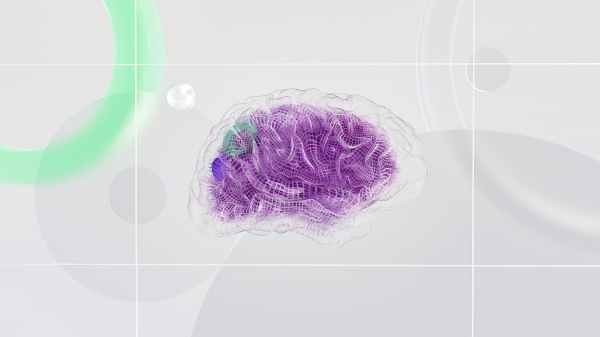
The phrase “neurons that fire together wire together” is a powerful concept in neuroscience that sheds light on the mechanisms behind learning, habits, and personal growth. Coined by Canadian psychologist Donald Hebb, this idea emphasizes the fundamental role of synaptic connections in shaping our thoughts, behaviors, and experiences.
Continue reading “Neurons That Fire Together Wire Together: The Key to Change and Growth”
“As we see on a daily basis, life is short, fragile, and uncertain. Moving into the new year is a prime opportunity to reevaluate and assess what we left behind and what we have to look forward to.
Positive change and growth, as we all know it, don’t come spontaneously and automatically. It requires intentional, concerted effort and continual practice and maintenance.
Anything we want badly enough will inevitably come with a degree of planning, perceived discomfort, and direct effortful action.” Source: The 10 Personal Growth Questions to Ask Yourself

Disappointments don’t have to stop you. They can even make you better. Source: 4 Ways to Recover from Disappointment

Happiness isn’t something that just falls in your lap one day. It’s a state of being we all have to continuously practice through action. Source: If you recognize these 8 signs, you’ve mastered the art of happiness

It may be possible to find comfort through a sense of control. Source: How to Find Hope and Happiness Amidst Uncertainty
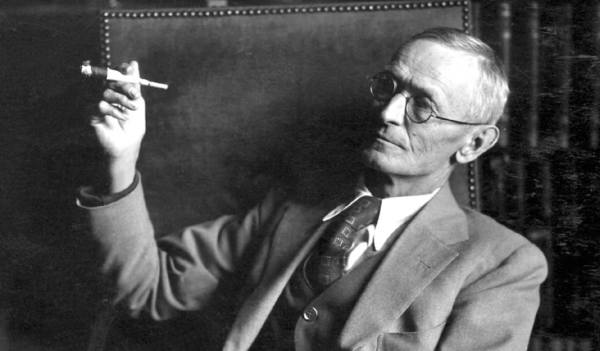
Books show us what it is like to be another and at the same time return us to ourselves. We read to learn how to live — how to love and how to suffer, how to grieve and how to be glad. We read to clarify ourselves and to anneal our values. We read for the assurance that others have lived through what we are living through. “You think your pain and your heartbreak are unprecedented in the history of the world, but then you read,” James Baldwin reflected in his most personal interview.
And yet while books may give us a foothold for the disorientation of being and an antidote to our existential loneliness, the paradox of living is that no example, no parallel, no borrowed wisdom is a substitute for life itself. The story of our own lives is only ever written on the blank page of living, our store of wisdom only ever found in the deepening truth of our own experience.
In 1918 — more than a decade before he penned his magnificent essay on the timeless magic of books and three decades before he was awarded the Nobel Prize in Literature — Hermann Hesse (July 2, 1877–August 9, 1962), entering his forties, captured this paradox in a short poem of great simplicity and loveliness, found in the posthumous collection The Seasons of the Soul: The Poetic Guidance and Spiritual Wisdom of Herman Hesse (public library). Source: What Books Give Us: Hermann Hesse on Reading and the Heart of Wisdom

Learn how to let go and accept change. Source: What Are the Moments That Matter Most in Life?

It only takes a reminder to breathe, a moment to be still, and just like that, something in me settles, softens, makes space for imperfection. The harsh voice of judgment drops to a whisper and I remember again that life isn’t a relay race; that we will all cross the finish line; that waking up to life is what we were born for. As many times as I forget, catch myself charging forward without even knowing where I’m going, that many times I can make the choice to stop, to breathe, and be, and walk slowly into the mystery.
Danna Faulds, Source: Walk Slowly – Danna Faulds – Mindfulness Association

Keeping goals in mind gives our brain a place to focus other than our troubles. Source: Are You Constantly Struggling? Try Grit

The author writes “Being resilient means you have already come through “many dangers, toils and snares.” Hopefully, you will become stronger, more mature, and compassionate. Being resilient means you have successfully broken through the darkness you confronted.
This means you have light to offer others, too. You have insights to share that can help someone else avoid an error you made yourself. Maybe you can calm someone’s fear as they face a procedure you had yourself.
Share the light. Share the wisdom life has taught you. You may well be someone’s answered prayer.”
That is the very purpose of this website — to share the light and wisdom through curation and occasionally, creation. I could just bookmark this content and keep it to myself by I share it here (and automagically to Facebook, Instagram, LinkedIn and X) in hopes that just one other person might stumble upon it and benefit from it. Go to the source: Curating What Fills Your Mind Can Shape Your Resilience

Learn how to become the best you – how modern men can improve their lives with specific habits, insights and strategies. Source: How Modern Men Can Improve Their Lives: Become the Best YOU

Delving into the continuous process of individual growth in your relationships. Source: The Lifelong Journey of Personal Development

Be true to yourself while taking steps to connect. Source: 10 Things You Can Do (and Not Do) to Feel Less Lonely

What if you already are? Source: Being a Better Person
 Bright, shiny objects!
You must be logged in to post a comment.