Experiences don’t just bring joy—they shape identity and deepen connections. Science explains why what you buy can change how you feel about yourself and others.
The article “Why Your Best Purchase Is One You Can’t Return” discusses how experiences, rather than material possessions, significantly influence our sense of identity and interpersonal connections. It emphasizes that the joy derived from experiences adds meaning to our lives and fosters deeper relationships. The author highlights scientific explanations behind the emotional benefits of experiential spending, suggesting that such purchases can enhance our self-perception and strengthen our bonds with others, contrasting with the fleeting satisfaction provided by physical items.
The author writes “Being resilient means you have already come through “many dangers, toils and snares.” Hopefully, you will become stronger, more mature, and compassionate. Being resilient means you have successfully broken through the darkness you confronted.
This means you have light to offer others, too. You have insights to share that can help someone else avoid an error you made yourself. Maybe you can calm someone’s fear as they face a procedure you had yourself.
Share the light. Share the wisdom life has taught you. You may well be someone’s answered prayer.”
That is the very purpose of this website — to share the light and wisdom through curation and occasionally, creation. I could just bookmark this content and keep it to myself by I share it here (and automagically to Facebook, Instagram, LinkedIn and X) in hopes that just one other person might stumble upon it and benefit from it. Go to the source: Curating What Fills Your Mind Can Shape Your Resilience
Rick Hanson has always been one of my favorites. He says “the most important thing is to remember the most important thing.” (I prefer ‘the main thing is to keep the main thing the main thing.” but you get it) Source: Keep Your Focus on What Is Important
Ryan speaks with Greg Harden about how Stoicism influenced his new book Stay Sane in an Insane World: How to Control the Controllables and Thrive, the techniques that he has used to coach so many sports greats to the highest levels of success, the difference between confidence and ego, why Tom Brady likes The Obstacle Is The Way, and more.
I start a new job tomorrow for what I hope will be the last time. I asked AI to synthesize some thoughts on how to get off to a great start and this is what I got:
“Starting a new job can be both exciting and daunting. Here are some tips to help you get off to a great start:
Prepare ahead of time: Familiarize yourself with the company culture, mission, and values. Research your new role and the responsibilities it entails. This will demonstrate your enthusiasm and help you hit the ground running.
Dress professionally: Dress appropriately for your new workplace. If in doubt, it’s better to be slightly overdressed than underdressed. Maintaining a professional appearance will make a positive impression on your colleagues.
Be punctual: Arrive on time or a few minutes early. Punctuality shows respect for your new job and colleagues. It also helps you avoid unnecessary stress on your first day.
Listen and observe: Pay close attention to your colleagues, managers, and the office dynamics. Listening and observing will help you understand how things work and how you can contribute effectively.
Build relationships: Take the initiative to introduce yourself to your colleagues. Be friendly, approachable, and show an interest in getting to know them. Building positive relationships will make your transition smoother and create a supportive work environment.
Ask questions: Don’t hesitate to ask questions when you’re unsure about something. It’s better to seek clarification than to make assumptions. Asking questions also demonstrates your eagerness to learn and contribute effectively.
Set goals: Discuss your goals and expectations with your manager. By setting clear objectives, you can ensure you’re aligned with the company’s vision and work toward achieving success in your new role.
Take initiative: Be proactive and take on additional responsibilities when appropriate. Show your enthusiasm and willingness to contribute beyond your assigned tasks. This will help you stand out and make a positive impression.
Stay organized: Establish good organizational habits from the start. Keep track of deadlines, important information, and tasks. This will help you stay on top of your workload and ensure you’re productive.
Stay positive: Adaptability and a positive attitude are key when starting a new job. Embrace the challenges, learn from your experiences, and maintain a positive mindset. This will help you thrive in your new environment.
Remember, starting a new job is a learning process. Embrace the journey, be patient with yourself, and don’t hesitate to seek…”
I recently connected with a very interesting person on WordPress; Raffaello Palandri. You can find his website here. He also has authored a few books that I’m interested in digging into. You can find them on Amazon…
A holistic approach to human growth is a way of thinking about and promoting human development that considers all aspects of a person’s life, including their physical, mental, emotional, social, and spiritual well-being. This approach recognizes that all of these aspects are interconnected and that a healthy and fulfilling life requires attention to all of them.
There are many different ways to promote holistic human growth. Some common approaches include:
Physical health: Eating a healthy diet, getting regular exercise, and getting enough sleep are all important for physical health.
Mental health: Maintaining positive relationships, practicing relaxation techniques, and seeking professional help if needed are all important for mental health.
Emotional health: Learning how to express and manage emotions in a healthy way is important for emotional health.
Social health: Building strong relationships with family and friends, participating in community activities, and learning how to resolve conflict are all important for social health.
Spiritual health: Finding meaning and purpose in life, developing a personal belief system, and connecting with something larger than oneself are all important for spiritual health.
A holistic approach to human growth can be beneficial for people of all ages. It can help people to live longer, healthier, and happier lives. It can also help people to cope with challenges and to reach their full potential.
Credit Rafaello Palandri
Here are some additional tips for promoting holistic human growth:
Set goals for yourself in all areas of your life. This will help you to stay motivated and focused on your overall well-being.
Make time for self-care. This could include activities such as reading, spending time in nature, or getting a massage.
Be kind to yourself. Everyone makes mistakes. Don’t dwell on your failures. Instead, learn from them and move on.
Find a support system. Having people who care about you and who can offer you support is essential for your emotional and social well-being.
Be open to change. Life is constantly changing. Be willing to adapt to new challenges and opportunities.
By taking a holistic approach to human growth, you can create a life that is full of meaning, purpose, and joy.
“The ENFJ and INFJ men who do exist can take comfort in knowing that their unique set of caring and nurturing traits are needed badly everywhere.”
Why are INFJ and ENFJ Men So Rare?
Research tells us that just 2.8 percent of all men are either INFJs or ENFJs. This is a super-low percentage, revealing that the NFJ set of personality characteristics is only rarely measured among men who take the Myers-Briggs personality typing system test. Source: Why are INFJ and ENFJ Men So Rare?
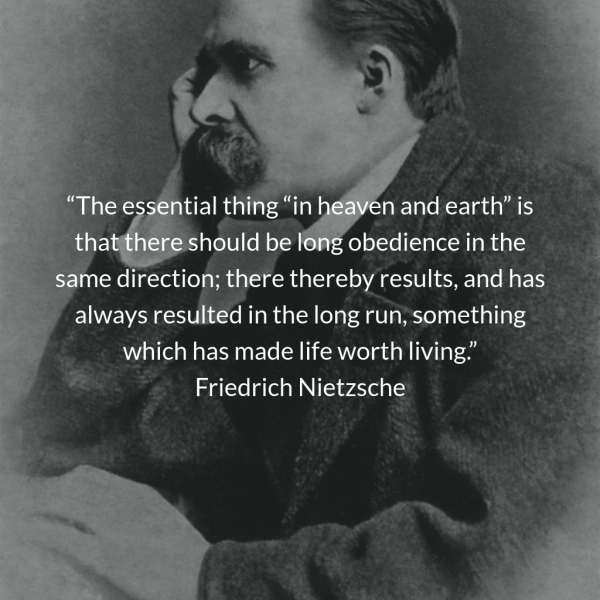
A long obedience in the same direction. Sound familiar? Famous atheist Friedrich Nietzsche said this in the early 20th Century book entitled Beyond Good and Evil. Source: A Long Obedience in the Same Direction
What makes joy rare? How do we awaken this beautiful capacity to embrace life? In this talk Tara explores the obstacles to joy and the attitude and practices that free us to “love what is.”














 Bright, shiny objects!
You must be logged in to post a comment.