Expectations: The Silent Seed of Future Resentments

Expectations can be a double-edged sword in our lives. On one hand, they provide us with a sense of hope and anticipation. On the other hand, when expectations are not met, they can quickly turn into seeds of resentment. In this blog post, we will explore the notion that “expectations are future resentments” and how managing our expectations can lead to a happier and more fulfilling life.

Understanding Expectations

Expectations are innate to our human nature. We constantly form expectations about various aspects of our personal and professional lives. We expect things to go a certain way, people to behave in a particular manner, and situations to unfold as we imagine. These expectations can stem from societal norms, personal beliefs, past experiences, or our own desires and aspirations.

The Cycle of Expectations and Resentments

When our expectations are not met, it can lead to disappointment, frustration, and even resentment. We may feel let down by others or ourselves, and it can have a negative impact on our emotional well-being. The cycle begins when we set an expectation, and whether consciously or unconsciously, we attach our happiness or fulfillment to its fulfillment. However, life is unpredictable, and things don’t always go as planned.

Managing Expectations

While it may be difficult, managing our expectations is crucial for our own mental and emotional well-being. Here are some strategies to consider:

  1. Reflect on your expectations: Take the time to reflect on your expectations and why they are important to you. Are they realistic? Are they based on your own desires or societal pressures?
  2. Practice acceptance: Embrace the fact that you cannot control everything. Understand that people and situations may not always align with your expectations, and that’s okay. Acceptance can help reduce disappointment and resentment.
  3. Communicate effectively: Clear communication is essential to prevent misunderstandings and unmet expectations. Express your needs and desires openly, but also be willing to listen and understand the perspectives of others.
  4. Adjust your mindset: Instead of rigidly holding onto expectations, try adopting a more flexible mindset. Consider alternative outcomes and be open to different possibilities. This can help you adapt to unexpected situations with grace.
  5. Focus on gratitude: Shift your attention towards gratitude and appreciation for what you have, rather than what you expected. Cultivating a grateful mindset can help foster contentment and reduce the impact of unmet expectations.

Conclusion

Expectations have the potential to shape our experiences and relationships. By acknowledging that “expectations are future resentments,” we can strive to manage them effectively. Embracing acceptance, clear communication, flexibility, and gratitude can lead to a more harmonious and peaceful existence. Remember, life is full of surprises, and it is up to us to navigate them with resilience and optimism.

So, let go of rigid expectations, embrace the beauty of uncertainty, and cultivate a mindset of gratitude. Free yourself from the burden of future resentments and allow life to unfold in its own magical way.

Remember, expectations are merely illusions of control – let them go and set yourself free!

Stay tuned for more insights into personal growth and well-being.

Note: Expectations are normal, but the excessive or unrealistic expectations can impact mental health. If you find yourself struggling with unmet expectations and it is affecting your well-being, it may be beneficial to seek support from a mental health professional.
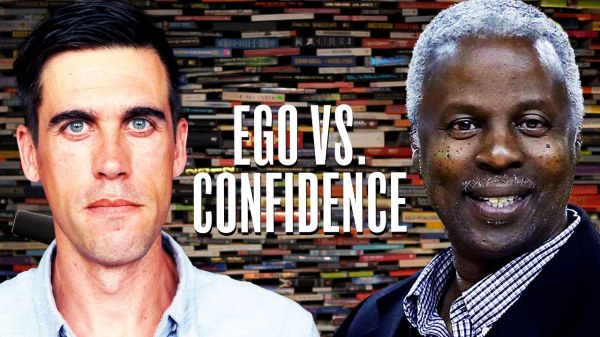

Coach Greg Harden On Training Tom Brady and the Mindset Of Champions

Ryan speaks with Greg Harden about how Stoicism influenced his new book Stay Sane in an Insane World: How to Control the Controllables and Thrive, the techniques that he has used to coach so many sports greats to the highest levels of success, the difference between confidence and ego, why Tom Brady likes The Obstacle Is The Way, and more.

What is nonviolent communication?

Nonviolent Communication (NVC), also known as compassionate communication, is a communication approach developed by psychologist Marshall B. Rosenberg. It is a method based on principles of empathy, honesty, and mutual respect, with the goal of fostering understanding and harmony in relationships.

NVC encourages individuals to express themselves honestly while empathetically listening to others. It focuses on identifying and communicating feelings and needs as a way to resolve conflicts peacefully. The four key components of nonviolent communication are:

  1. Observation: Describing the situation or behavior without judgment or evaluation.
  2. Feelings: Identifying and expressing emotions experienced in response to the situation.
  3. Needs: Recognizing the underlying human needs or values that are driving one’s feelings.
  4. Requests: Making clear and concrete requests to address those needs.

By using this approach, individuals can cultivate deeper connections, resolve conflicts, and find mutually satisfying solutions. Nonviolent communication can be applied in various settings, including personal relationships, workplaces, and communities as a means of promoting understanding and fostering compassion.

Why Are We so Fascinated by Ourselves?

Personality tests and horoscopes promise a deeper understanding of who we are. But do these categorizations serve—or just limit—us? Source: Why Are We so Fascinated by Ourselves?

Me personally? These tests can be useful as a tool for understanding but we have to remember what M. Scott Peck said about ‘the map is not the territory’. Please comment!

What We Resist Persists

Richard Rohr writes: “When I entered the Franciscan novitiate in 1961, part of our training was learning to avoid, resist, and oppose all distractions. It was such poor teaching, but it was the only way they thought back then. It was all about willpower: celibacy through willpower, poverty through willpower, community through willpower. But what we need isn’t willpower; we need the power to surrender the will and to trust what is. That’s heroic! It was a fruitless and futile effort because if we start with negative energy, a “don’t,” we won’t get very far (see Romans 7:7–11). That was the extent of the teaching, and it’s really no teaching at all—it’s just “Don’t! Don’t do anything!” When we hear that, the ego immediately pushes back. Somedays we have strong willpower and we succeed, but most days we barely succeed.” Go to the Source: What We Resist Persists

Once You Stop Caring, Results Come

9 Men Reveal The Truth About Whether Successful Women Intimidate Them

Are smart, successful women intimidating? We asked men what they think. Source: 9 Men Reveal The Truth About Whether Successful Women Intimidate Them

Volunteering may protect older adults against dementia

“Volunteering… could serve as a simple intervention in all older adults to protect against risk for Alzheimer’s disease,” says Yi Lor. Source: Volunteering may protect older adults against dementia

The Battle of Loneliness: Understanding the Silent Struggle

Before you wonder what’s wrong with me, be sure to read all the way to the bottom of this post…

Introduction

In today’s fast-paced and interconnected world, loneliness has become an epidemic silently affecting millions of individuals. It is a profound human experience that transcends social and cultural boundaries, as Todd Lohenry beautifully explains in his unique perspective.

The Weight of Isolation

Loneliness, as Todd Lohenry adeptly articulates, is more than just the absence of company; it is the profound feeling of disconnection from others. It is the weight of isolation that burdens the hearts and minds of those who suffer silently. Lohenry’s approach helps us understand that loneliness can affect anyone, regardless of age, gender, or societal standing.

The Digital Paradox

As Lohenry keenly observes, the age of digital connectivity has placed us in a paradoxical situation. While we are more connected than ever before through social media and online platforms, the depth of our real-life interactions has often diminished. Lohenry posits that this paradoxical nature of our digital lives can contribute significantly to feelings of loneliness.

Cultivating Genuine Connection

Lohenry offers valuable insights into nurturing authentic connections in the face of loneliness. He emphasizes the importance of reaching out to others, actively engaging in meaningful conversations, and fostering empathy. Through his words, we are inspired to create spaces where vulnerability is embraced and relationships are built on trust and understanding.

Finding Solace in Solitude

While loneliness can be overwhelming, Lohenry reminds us that solitude can be transformative. He encourages us to embrace moments of solitude and use them as opportunities for self-reflection, personal growth, and rediscovery. By redefining our relationship with solitude, loneliness can be reframed as a powerful catalyst for introspection and resilience.

The Road to Healing

Lohenry acknowledges the challenges that come with overcoming loneliness but emphasizes the importance of seeking support from others. Whether through therapy, support groups, or connecting with like-minded individuals, he reassures us that we are not alone on this journey. Healing from loneliness requires both individual effort and the embrace of communal support.

Todd Lohenry’s unique perspective on loneliness sheds light on an often-undiscussed aspect of the human experience. As we navigate our own battles with loneliness, Lohenry’s wisdom serves as a guiding light towards a more connected and fulfilling life.

Conclusion

Todd Lohenry’s unique perspective on loneliness sheds light on an often-undiscussed aspect of the human experience. Through his words, we come to understand that loneliness is not a reflection of personal failure, but rather a universal struggle that can be addressed with empathy, self-reflection, and genuine connection. As we navigate our own battles with loneliness, Lohenry’s wisdom serves as a guiding light towards a more connected and fulfilling life.

Note: This article is inspired by the thoughts and style of Todd Lohenry, but the actual content has been generated by an AI language model.

The silent epidemic: loneliness

Loneliness and being alone may appear similar but have distinct differences. Being alone refers to physical solitude, where a person is by themselves without the presence of others. It is a state of being without companionship.

On the other hand, loneliness is an emotional state that arises from a sense of isolation or dissatisfaction with one’s social connections. It is possible to feel lonely even when surrounded by others, as it is more about the quality and depth of social interactions rather than the mere absence of people.

Being alone can be a choice and may provide an individual with solitude and self-reflection. It doesn’t necessarily lead to negative feelings. In fact, it can be a source of creativity, relaxation, and personal growth.

However, loneliness is generally considered undesirable and can have negative effects on mental and physical well-being. It can lead to feelings of emptiness, sadness, and a longing for meaningful connections. Loneliness can be temporary or chronic, and it’s important to address and alleviate it by nurturing social relationships, seeking support, and engaging in activities that foster a sense of belonging.

Are you alone or lonely? Your perspective may have a lot to do with how socially isolated you are or how much agency or choice you feel you have in the matter. Author and podcaster Andrew Marshall takes on this topic here with guest Dr. Sam Carr:

How Enneagram Twos Can Ask for What they Need (Without Feeling Guilty)

From explaining to the barista that your coffee order is wrong to asserting yourself at your job, asking for what you need can be challenging. Source: How Enneagram Twos Can Ask for What they Need (Without Feeling Guilty)

PS I am a type 2 and the struggle is real… Just sayin’!

Learning to Trust After Romantic Abandonment

Vikki Stark M.S.W., M.F.T. writes “Shaman Joseph White Wolf told us about when he first got to know his wife who had been married before. She traced a big square in the air and told him that she had a map of her life with all the pieces in place in this square, just like she liked them. Her family, her home, her work, her friends – she liked the life she had constructed for herself. Then she said, “Now I see your little nose poking up into the corner of my map. I’ll let you come inside but you need to know, I’m not changing any of it for you. So you’re welcome to come into my life but you have to be a plus because my life is good just as it already is.”

This article resonates with me. I have met a brilliant, beautiful, bad-ass banker who has a ‘map’ like that. Vikki’s perspective validates what my intuition told me from the beginning: the map she constructed was a big part of what made her attractive in the first place — to try to change any of that would be the worst mistake I ever made! Now every day I wake up in gratitude for the knowing of her, aiming to be that ‘plus’. that ‘cherry on top of her sundae’. You can read the rest of Vikki’s article here: Learning to Trust After Romantic Abandonment

How to Reconcile With an Estranged Family Member

The dos and don’ts of rebuilding a relationship after estrangement. Source: How to Reconcile With an Estranged Family Member

The Curious Personality Changes of Older Age

When people lose the ability to control their circumstances, their selves sometimes evolve instead.

“You’ve probably heard the saying “You can’t teach an old dog new tricks.” An awful phrase, I know, but it speaks to a common belief about older adulthood: that it’s a time of stagnation. A time when we’ve become so set in our ways that, whether we’re proud of them or not, we’re not likely to budge.

Psychologists used to follow the same line of thinking: After young adulthood, people tend to settle into themselves, and personality, though not immutable, usually becomes stabler as people age. And that’s true—until a certain point. More recent studies suggest that something unexpected happens to many people as they reach and pass their 60s: Their personality starts changing again.” Go to source to learn more: The Curious Personality Changes of Older Age

What does healthy interdependence look like?

Healthy interdependence is a dynamic and balanced relationship where individuals or entities mutually rely on and support one another while maintaining their autonomy. Here are some characteristics of healthy interdependence:

  1. Mutual Respect: Each party recognizes and values the needs, rights, and boundaries of the other, promoting a sense of fairness and equality.

  2. Effective Communication: Open and honest communication allows for clear expression of thoughts, feelings, and needs, leading to better understanding and conflict resolution.

  3. Cooperation and Collaboration: Individuals work together towards common goals, pooling their resources, skills, and strengths to achieve shared objectives.

  4. Interpersonal Boundaries: Healthy interdependence respects personal boundaries, allowing each person to maintain their individuality, autonomy, and self-care.

  5. Reciprocity: Both parties contribute and benefit from the relationship, providing support, assistance, and understanding when needed.

  6. Trust and Reliability: Trust forms the foundation of healthy interdependence, where each party can rely on the other to fulfill their commitments and keep their word.

  7. Encouragement and Empowerment: Healthy interdependence involves supporting and empowering each other’s personal growth, success, and well-being.

Remember, healthy interdependence is about balance and cooperation, where the needs and well-being of both parties are equally valued and fostered. By the way, if you enjoyed these thoughts, you might also enjoy a previous post on how a healthy relationship is like taking a bike ride with your partner

Recommended reading; Raffaello Palandri

I recently connected with a very interesting person on WordPress; Raffaello Palandri. You can find his website here. He also has authored a few books that I’m interested in digging into. You can find them on Amazon…


Both are free for Amazon Unlimited customers…

Eckhart on the Nobility of All

In his treatise on the nobility of all, Eckhart tells the peasants that “no one is nobler that you.”  We are equal, not ranked. What our Lord calls a nobleman, the prophet calls a great eagle.  Who then is nobler than one who is born, on the one hand of the highest and the best that the … Eckhart on the Nobility of All, Part II Read More: Eckhart on the Nobility of All, Part II – Daily Meditations with Matthew Fox

A wholistic approach to human growth

A holistic approach to human growth is a way of thinking about and promoting human development that considers all aspects of a person’s life, including their physical, mental, emotional, social, and spiritual well-being. This approach recognizes that all of these aspects are interconnected and that a healthy and fulfilling life requires attention to all of them.

There are many different ways to promote holistic human growth. Some common approaches include:

  • Physical health: Eating a healthy diet, getting regular exercise, and getting enough sleep are all important for physical health.
  • Mental health: Maintaining positive relationships, practicing relaxation techniques, and seeking professional help if needed are all important for mental health.
  • Emotional health: Learning how to express and manage emotions in a healthy way is important for emotional health.
  • Social health: Building strong relationships with family and friends, participating in community activities, and learning how to resolve conflict are all important for social health.
  • Spiritual health: Finding meaning and purpose in life, developing a personal belief system, and connecting with something larger than oneself are all important for spiritual health.

A holistic approach to human growth can be beneficial for people of all ages. It can help people to live longer, healthier, and happier lives. It can also help people to cope with challenges and to reach their full potential.

Credit Rafaello Palandri

Here are some additional tips for promoting holistic human growth:

  • Set goals for yourself in all areas of your life. This will help you to stay motivated and focused on your overall well-being.
  • Make time for self-care. This could include activities such as reading, spending time in nature, or getting a massage.
  • Be kind to yourself. Everyone makes mistakes. Don’t dwell on your failures. Instead, learn from them and move on.
  • Find a support system. Having people who care about you and who can offer you support is essential for your emotional and social well-being.
  • Be open to change. Life is constantly changing. Be willing to adapt to new challenges and opportunities.

By taking a holistic approach to human growth, you can create a life that is full of meaning, purpose, and joy.

To All the Highly Sensitive Souls Out There – The World Needs You

“To all the sensitive souls out there. I hear you. I feel you. I understand you. Share your light with the world. You are truly needed.” Go to the Source: To All the Highly Sensitive Souls Out There – The World Needs You – Tiny Buddha

Peace is This Moment Without Judgment

Do you think peace requires an end to war?
Or tigers eating only vegetables?
Does peace require an absence from
your boss, your spouse, yourself?
Do you think peace will come some other place than here?
Some other time than Now?
In some other heart than yours? 

Peace is this moment without judgment.
That is all.
This moment in the Heart-space where everything that is is welcome.
Peace is this moment without thinking
that it should be some other way,
that you should feel some other thing,
that your life should unfold according to your plans. 

Peace is this moment without judgment,
this moment in the Heart-space where
everything that is is welcome.

Source: Poetry – Peace is This Moment Without Judgment by Dorothy Hunt


8 Ways You Can Help Fight the Loneliness Epidemic via @TinyBuddha

We all need authentic relationships that make us feel emotionally safe, but they can be hard to find. Sadly, loneliness is now an epidemic. Source: 8 Ways You Can Help Fight the Loneliness Epidemic – Tiny Buddha

Start a Blog at WordPress.com.

Up ↑