The List of ACEs Should Be Longer

Adverse experiences don’t only happen at home. What about the things children face on the other side of the front door?

The article “The List of ACEs Should Be Longer” discusses the various adversities children can face outside of their homes, highlighting that adverse childhood experiences (ACEs) extend beyond domestic environments. It emphasizes the importance of recognizing and addressing these external factors that contribute to a child’s development and overall well-being. The author advocates for a more comprehensive understanding and acknowledgment of ACEs to improve support systems for children.

Go to the source to read the entire article: The List of ACEs Should Be Longer

Background: What is an ACE?

Adverse Childhood Experiences (ACEs) refer to a range of stressful or traumatic events that occur during childhood and can have significant long-term effects on an individual’s health and well-being. These experiences may include physical, emotional, or sexual abuse, neglect, and household dysfunction such as domestic violence, substance abuse, mental illness, or incarceration of a family member. Research has shown that the presence of ACEs increases the risk of developing a variety of health problems and maladaptive behaviors in adulthood, highlighting the importance of understanding and addressing these early adversities to promote healthier outcomes for children as they grow.


Desire and Addiction: Voices of Longing Calling You Home

Desire is intrinsic to all living forms – the urge to exist and flourish. It turns to suffering when, due to unmet needs, it contracts, intensifies and separates us from our full aliveness and awareness. These two talks guide us in awakening from this trance, and discovering how within desire is the longing that can carry us to true belonging.


Adverse Childhood Experiences: Who Stumbles and Who Thrives?

Michael J. Menard’s book ‘The Kite That Couldn’t Fly’ recounts how 14 children faced uncommon challenges. Yet most of them found the way to overcome their struggles and thrive: Adverse Childhood Experiences: Who Stumbles and Who Thrives?


‘Was My Childhood Really That Bad?’

Explore the factors that shape an individual’s understanding of childhood trauma, including the role of both adverse and positive experiences. Source: ‘Was My Childhood Really That Bad?’

Unpacking the Epidemic of Parental Estrangement

The epidemic of parental estrangement: The generation who is afraid of their children. Source: Unpacking the Epidemic of Parental Estrangement

The Lasting Impact of Emotionally Unavailable Fathers

When daughters don’t get the love they need. Source: The Lasting Impact of Emotionally Unavailable Fathers

4 Trauma Responses That May Be Hurting Your Relationships

How to spot signs of unresolved trauma and manage them in your life. Source: 4 Trauma Responses That May Be Hurting Your Relationships

People who had an unhappy childhood…

Growing up with a tough childhood can feel like trying to swim in murky waters without a life jacket. It leaves scars that run deep, often hidden beneath layers of silence and toughness.

But even though we try to act like everything’s normal, those old wounds have a way of popping up in our adult lives, shaping the way we behave without us even realizing it.

In our journey here, we’re going to uncover eight behaviors that often show up in folks who’ve been through the wringer as kids. These quirks might seem subtle, but they speak volumes about the struggles we’ve faced.

So, come along as we dive into the messy, tangled world of the human mind and shine a light on the lasting effects of silent suffering.”

Go to the source for more: People who had an unhappy childhood but never open up about it usually display these specific behaviors

We’re all trying to overcome childhood trauma

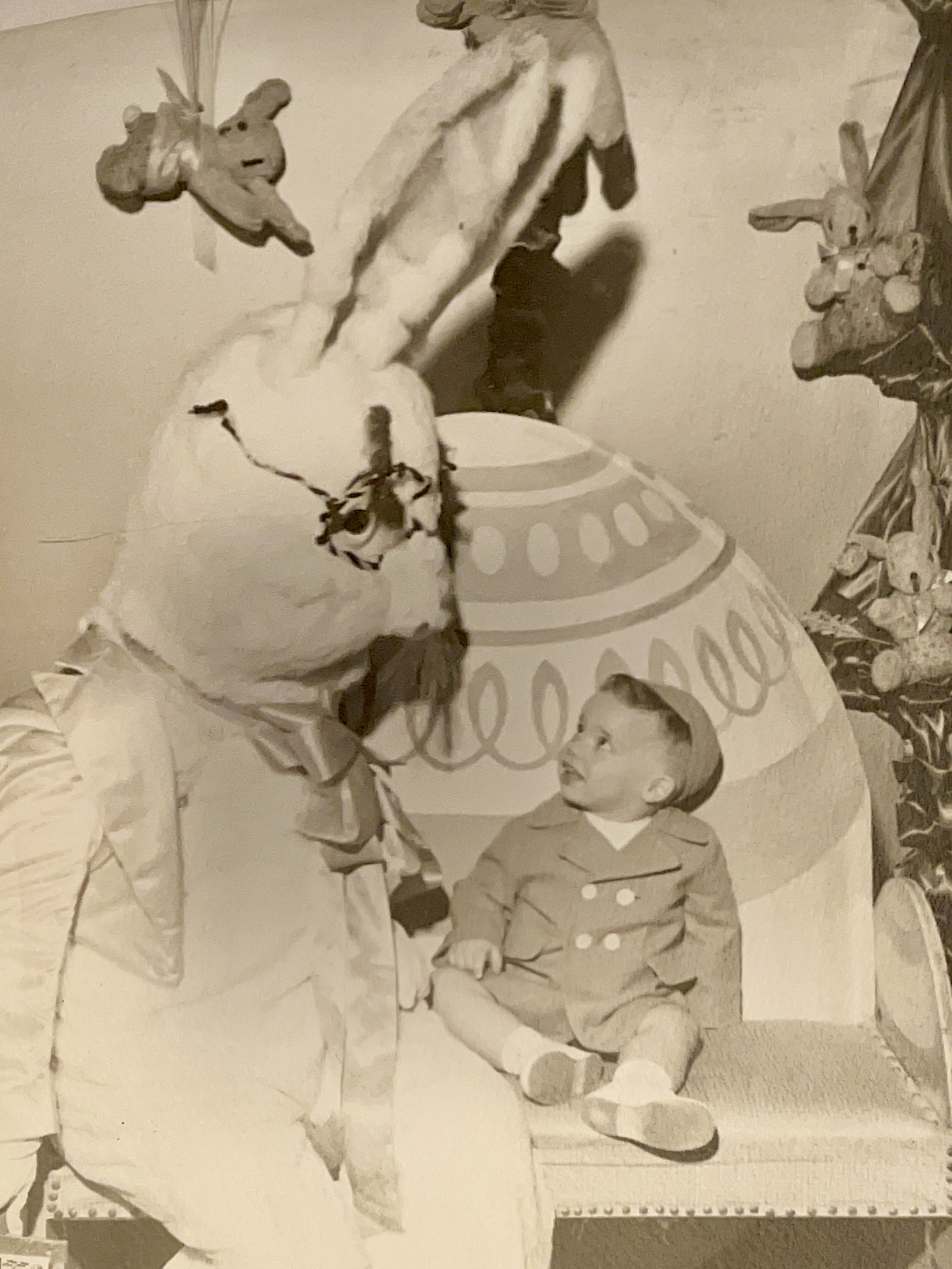
This Easter, I’ll share a bit of mine — what parent would think that putting their child in a situation to confront an evil looking giant rabbit is a good thing?! Love you mom & dad despite this…

Cultivating the Ability to Relate After Relational Trauma

Changing maladaptive beliefs and behaviors for better relationships. Source: Cultivating the Ability to Relate After Relational Trauma

Relational Trauma Impacts on Dating and Marriage

Exploring emotional baggage in romantic relationships when we endure trauma. Source: Relational Trauma Impacts on Dating and Marriage

How Childhood Trauma Becomes Part of Who We Are as Adults

The origins of people pleasing, self doubt, shame, dissociation, and more. Source: How Childhood Trauma Becomes Part of Who We Are as Adults

Unpacking Emotional Baggage: Adverse Childhood Experiences

How do you know how much to unpack and when? Source: Unpacking Emotional Baggage: Adverse Childhood Experiences

Why It’s Vital to Identify, Process, and Express Your Emotions

Why befriending your emotions is key to a connected, successful, and whole life. Source: Why It’s Vital to Identify, Process, and Express Your Emotions

Majority of Adults Have Adverse Childhood Experiences

Is it any wonder that most people in the US are walking around like a ticking time bomb? A trauma therapist summarizes WHO’s 2023 report on ACEs. Source: Majority of Adults Have Adverse Childhood Experiences

Continue reading “Majority of Adults Have Adverse Childhood Experiences”

Season’s Grievings

‘Tis the season to be jolly, but for some it can be particularly painful. Source: Season’s Grievings

Verbal Abuse Leads to Long-Term Harm

Evidence shows verbal abuse may be as damaging as physical abuse. Source: Verbal Abuse Leads to Long-Term Harm

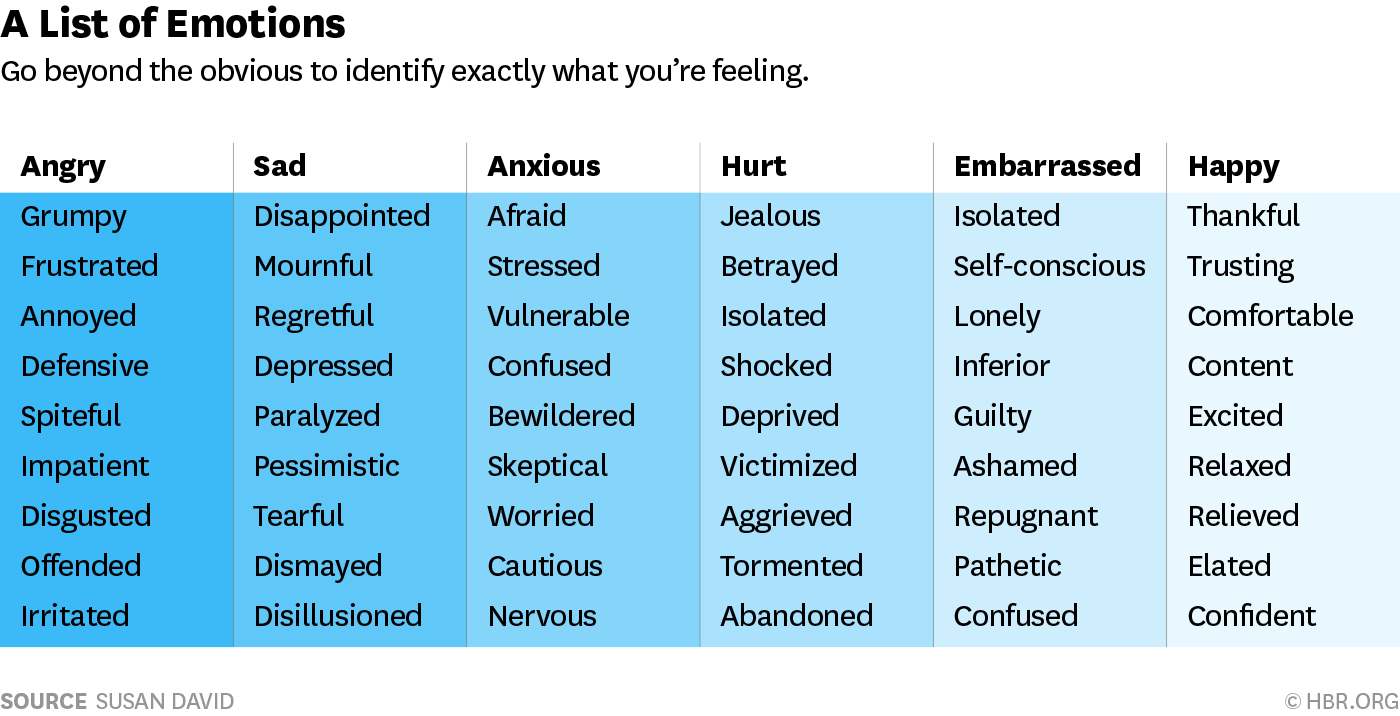
3 Ways to Better Understand Your Emotions

Naming them is an important first step. Go to the source to learn more about how to use this tool: 3 Ways to Better Understand Your Emotions

Understanding Intimacy Anorexia and Overcoming It in Relationships

Intimacy is the bedrock of any successful relationship, fostering emotional connection and trust between partners. However, sometimes couples may find themselves struggling with a phenomenon called “intimacy anorexia.” In this article, we will delve into the causes of intimacy anorexia and explore strategies to overcome it, fostering a healthier and more fulfilling relationship.

Continue reading “Understanding Intimacy Anorexia and Overcoming It in Relationships”

The Infant Brain Remembers

The experiences we have in infancy can become lifelong memories. Source: The Infant Brain Remembers

Adverse Childhood Experiences

The term “adverse childhood experience” refers to a range of negative situations a child may face or witness while growing up. These experiences include emotional, physical, or sexual abuse; emotional or physical neglect; parental separation or divorce; or living in a household in which domestic violence occurs. Other difficult situations include living in a household with an alcoholic or substance-abuser, or with family members who suffer mental disorders, or in a household with an incarcerated family member. Go to the source for a special Psychology Today series on Adverse Childhood Experiences.

Start a Blog at WordPress.com.

Up ↑