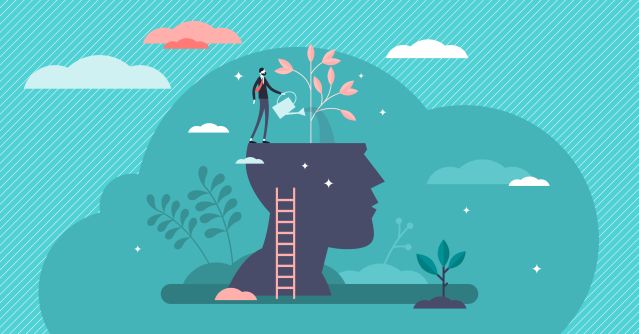
The Psychology of Becoming Who You Want to Be

Most of us wait for the right moment to change—but what if real transformation happens quietly, inside, before anything outside shifts?

The article “The Psychology of Becoming Who You Want to Be” discusses the concept that true transformation begins internally, often before any external changes occur. It emphasizes the importance of self-reflection and personal growth, suggesting that meaningful change happens quietly within us. By focusing on our inner selves and understanding our desires, we can initiate the process of becoming who we truly wish to be, rather than waiting for external circumstances to align.

Source: The Psychology of Becoming Who You Want to Be

How AI Affects Critical Thinking and Solutions

AI does our thinking for us and our minds are paying the price. Here’s how to reclaim cognitive independence.

AI technologies are increasingly influencing our thought processes, leading to a decline in critical thinking skills. This article discusses the impact of artificial intelligence on cognitive independence and suggests practical strategies for individuals to reclaim their ability to think critically. Key recommendations include engaging in active learning, practicing reflective thinking, and participating in discussions that challenge one’s viewpoints. By taking these steps, individuals can mitigate the negative effects of AI and strengthen their cognitive abilities.

Source: AI Weakens Critical Thinking. This Is How to Rebuild It

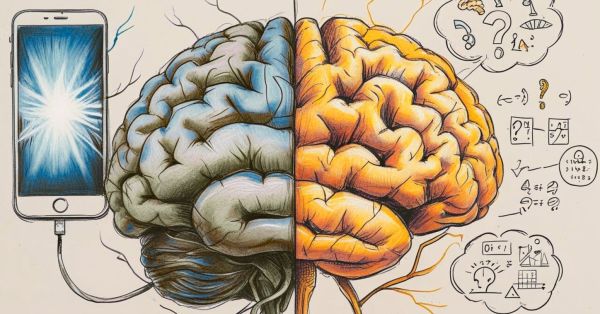
Why Facts Don’t Change Our Minds

New discoveries about the human mind show the limitations of reason.

In the article “Why Facts Don’t Change Our Minds,” the author delves into the complexities of human cognition and the psychological processes that often override purely rational thinking. It argues that individuals tend to cling to their beliefs, even when faced with factual evidence that contradicts them. This phenomenon highlights the limitations of reason and reveals how emotional attachments, social influences, and cognitive biases play significant roles in shaping our opinions and beliefs.

The article discusses various psychological studies that illustrate how facts alone are insufficient to change minds, emphasizing that our convictions are often bolstered by identity and group dynamics. Ultimately, the piece suggests that understanding these underlying mechanisms can lead to more effective communication strategies when attempting to influence opinions or foster dialogue on contentious issues.

Source: Why Facts Don’t Change Our Minds

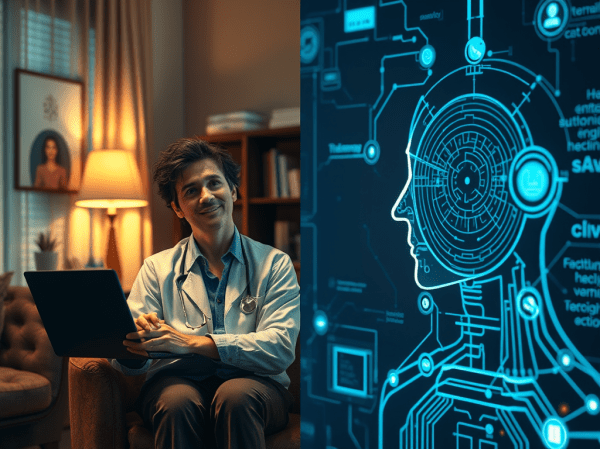
Is Artificial Intelligence Replacing Your Therapist?

Is AI replacing your therapist? Not if you look closer.

Source: Is Artificial Intelligence Replacing Your Therapist?

The Magic of Celebrating Every Little Win

In a world that often only celebrates grand achievements, it’s easy to overlook the small victories that pave the way to lasting change. Source: The Magic of Celebrating Every Little Win – Tiny Buddha

AI Finds Astonishing Male/Female Differences in Human Brain

Stanford neuroscientists document large male/female differences in brain connectivity. Source: AI Finds Astonishing Male/Female Differences in Human Brain

Left-Handedness and Genetics: New Scientific Insights

About one out of ten people is left-handed but the reasons why are not well understood. A new study now helps unlock the mystery of left-handedness. Source: Left-Handedness and Genetics: New Scientific Insights

What We Resist Persists

Many people struggle with habits that interfere with their overall sense of well-being. Learn five strategies to help break you of those bad habits. Source: What We Resist Persists

Why Do We Still Read Books?

Reading a book is good for your brain. Source: Why Do We Still Read Books?


2 Popular Psychology Myths, Debunked

Discover why these two “fun facts” are nothing more than tall tales. Source: 2 Popular Psychology Myths, Debunked

When to walk away

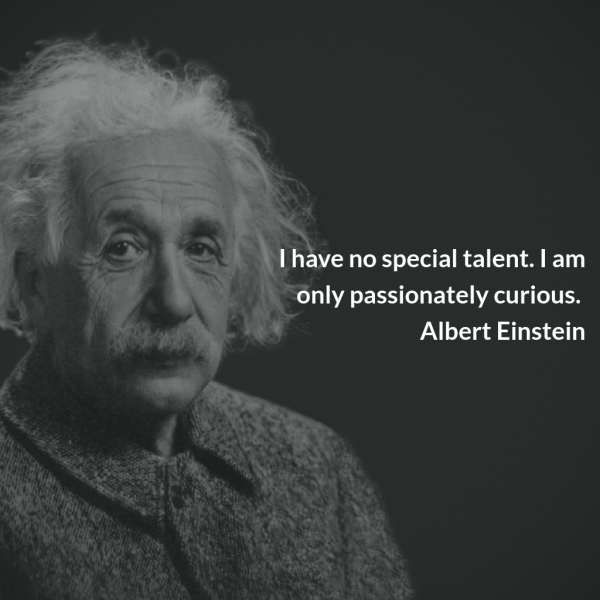
How Curious Are You?

Learn the surprising power of curiosity. Source: How Curious Are You?

The Brain-Computer Interface Is Only the Beginning

The inevitable path from punch cards to brain waves. Source: The Brain-Computer Interface Is Only the Beginning

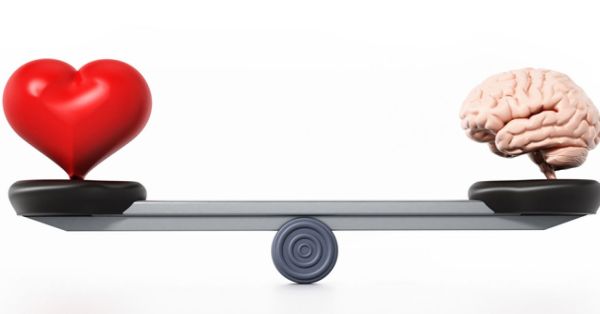
The Brain-Heart Connection

A critical interplay of mental and cardiac health in achieving optimal wellness. Source: The Brain-Heart Connection

How do memories work?

In this podcast episode, an expert digs into how memories are created, stored, and recalled in the brain. Source: Listen: How do memories work?

The Real AI Weapons Are Drones, Not Nukes

Hollywood imagined that computers would launch a nuclear missile, but self-guided aircraft are what’s truly changing the nature of combat. Source: The Real AI Weapons Are Drones, Not Nukes

Writing by Hand Is Good for Your Brain

Research finds handwriting may boost cognitive connections. Source: Writing by Hand Is Good for Your Brain

The Strongest Neuroscience Arguments in the Free Will Debate

Can we choose the experiences that shape us, or are those choices determined? Source: The Strongest Neuroscience Arguments in the Free Will Debate

Memory and Musical Experience

How does music bring back powerful memories? Source: Memory and Musical Experience

The Case for Paper: Books vs. E-Readers

Why a good old-fashioned book is better for your mental health. Source: The Case for Paper: Books vs. E-Readers

First Brain-Computer Interface Implanted in a Person

In-human implantation of Neuralink’s brain-computer interface is a milestone. Source: First Brain-Computer Interface Implanted in a Person

Start a Blog at WordPress.com.

Up ↑