Attachment Isn’t What You Think It Is

Labels like anxious or avoidant are everywhere. Learn what attachment actually is and how to use it to strengthen your relationship.

The article “Attachment Isn’t What You Think It Is” explores the concept of attachment and its true implications in relationships. It discusses how labels like “anxious” or “avoidant” can be misleading and emphasizes the importance of understanding the nuanced nature of attachment styles. The author encourages readers to recognize these dynamics in their own relationships and to use this knowledge as a tool for strengthening connections with others. By rethinking attachment, individuals can foster healthier and more fulfilling relationships.

Go to the source article: Attachment Isn’t What You Think It Is

How to Maintain Attachment While Living Together

To get the relationship you most want to have, regard yourself as emotionally connected to your partner, whether you’re together or apart.

The article “How to Maintain Attachment While Living Together” discusses strategies for sustaining emotional connections between partners, even when they are physically apart. It emphasizes the importance of perceiving oneself as emotionally linked to the partner to enhance the relationship. The piece offers insights into the dynamics of attachment in relationships, suggesting practical approaches to cultivate intimacy and secure bonds. The overall message encourages readers to prioritize emotional connection to foster a healthy partnership.

Go to the source to read the entire article: How to Maintain Attachment While Living Together

Is It Ever Possible to Get Close to an Avoidant Partner?

Although personality change is possible throughout life, new research on personality and relationships suggests that the avoidantly attached may be extremely hard to budge.

The article “Is It Ever Possible to Get Close to an Avoidant Partner?” explores the challenges of forming close relationships with individuals who exhibit avoidant attachment styles. It highlights recent research indicating that while personality can change over time, those with avoidant tendencies may be particularly resistant to emotional intimacy. The piece emphasizes the difficulties partners face when trying to connect with avoidant individuals and suggests that significant hurdles exist in fostering closeness in these relationships.

Go to the source to read the entire article: Is It Ever Possible to Get Close to an Avoidant Partner?

The Science Behind Healing After a Breakup: What You Need to Know

The brain needs time — sometimes years — to fully relinquish attachment.

The article from Psychology Today discusses the significant amount of time it takes for individuals to recover from a breakup. Research indicates that the brain requires years to detach emotionally from an ex-partner fully. The piece emphasizes that healing is a gradual process influenced by various factors, including the depth of the relationship and personal coping mechanisms. It highlights the importance of understanding and acknowledging this timeline for a healthier emotional recovery.

Source: Research Reveals How Long It Really Takes to Get Over an Ex

Healthy Detachment: Caring Without Losing Yourself

Learn how healthy detachment allows therapists to care deeply without absorbing client pain—and why it’s essential for sustainable, effective healing work.

Healthy detachment is a crucial skill for therapists, enabling them to engage with clients on a deep level while preventing the absorption of client pain. This balance is essential for sustaining effective healing work, allowing therapists to care genuinely without compromising their well-being. The article emphasizes that such detachment does not equate to indifference, but rather fosters a more effective therapeutic environment.

Source: Healthy Detachment: Caring Without Losing Yourself

5 Signs Someone Is Emotionally Unavailable, Even If They Like You

What’s Your “Detachment Style” in Relationships?

How we end relationships matters. From sudden exits to peaceful goodbyes, your “detachment style” shapes closure, healing, and future connections. Discover yours.

Source: What’s Your “Detachment Style” in Relationships?

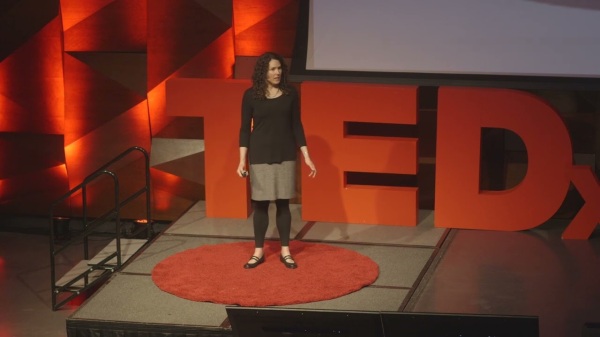
Put on Your Attachment Hat & Change your Romantic Attachment Style

“A lot of times couples think they’re fighting about someone coming home late or chores. But what they’re really fighting about is, do you see me? Do you value me? Do you need me? Can I count on you and until that gets addressed and articulated they’re unlikely to be able to resolve conflict.” 

Ashley Harvey

In a talk that will leave you feeling both stirred up and optimistic, university professor and relationship educator Ashley Harvey shares five principles from attachment theory that you can use to understand and change your attachment style so that you can decrease conflict and increase connection in your romantic relationships. In a talk that will leave you feeling both stirred up and optimistic, university professor and relationship educator Ashley Harvey shares five principles from attachment theory that you can use to understand and change your attachment style so that you can decrease conflict and increase connection in your romantic relationships. This talk was given at a TEDx event using the TED conference format but independently organized by a local community. Learn more at https://www.ted.com/tedx


Attachment theory is the science of love

Understanding Attachment Theory: A Fundamental Framework for Human Relationships

Attachment theory, pioneered by British psychologist John Bowlby, has significantly shaped our comprehension of human bonds and relationships. This influential framework offers profound insights into the development of emotional connections, spanning across various stages of life. Let’s delve into the core concepts of attachment theory and its implications for understanding human behavior and interaction.

The Foundation of Attachment Theory

At the heart of attachment theory lies the idea that the quality of early relationships, particularly with primary caregivers, profoundly impacts an individual’s emotional and social development. Bowlby proposed that the nature of these initial attachments sets the stage for one’s perception of self, others, and relationships.

Continue reading “Attachment theory is the science of love”

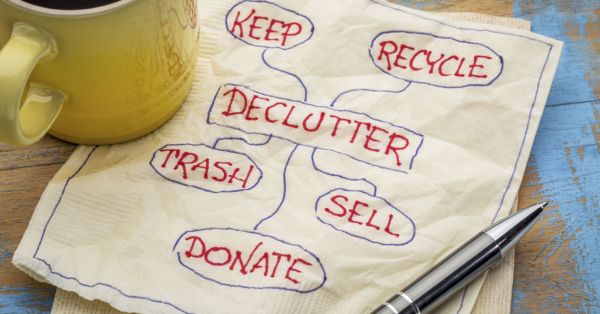
The Ecology of Swedish Death Cleaning

Let your material legacy be light. Source: The Ecology of Swedish Death Cleaning

How to Overcome Anxious Attachment

“Like all attachment styles, an anxious preoccupied (AP) attachment style is formed in childhood.

Also known as anxiously attached (AA), this style may come up due to inconsistent parenting, such as a parent who worked long, unpredictable hours, to the point where a child never knew if and when their parent would be there to care for them.

This creates a fear of abandonment and, in adulthood and romantic relationships, the fear of others leaving them.

An anxiously attached individual typically seeks reassurance often in a relationship (such as calling or texting multiple times) due to a parenting style that left them feeling alone or abandoned.

The result is that they have a hard time self-soothing or getting in touch with their own feelings and needs.

That’s why it’s important to understand the characteristics of an anxiously attached individual, so you know how to overcome it.” Source: How to Overcome Anxious Attachment

Couples Have “The One”; Singles Have “The Ones”

Emotionally and practically, having “the ones” can be a very good thing. Source: Couples Have “The One”; Singles Have “The Ones”

Are You Destined to Be Single and Alone Forever?

10 things that could be keeping you unattached. Source: Are You Destined to Be Single and Alone Forever?

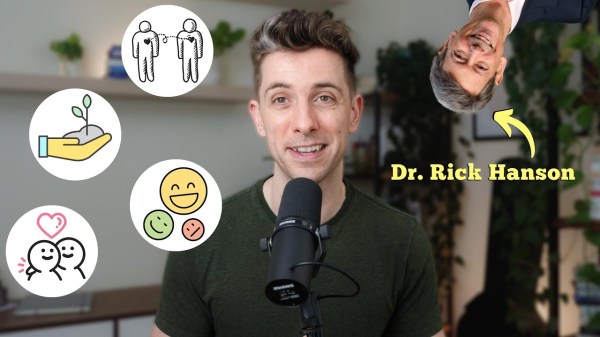
How to Become Securely Attached

“In today’s episode, Dr. Rick and I focus on one of the most common, and most important, questions we get about attachment theory: can we heal our attachment wounds, and become more securely attached?

We explore the basics of attachment theory, whether people can change their attachment style, and how much change is truly possible. We then discuss some common frameworks for change, the power of positive experiences, and how we can break out of the “catch-22” of attachment wounds. The episode ends with practical advice for what an anxiously or avoidantly attached person could do to become more securely attached over time.”

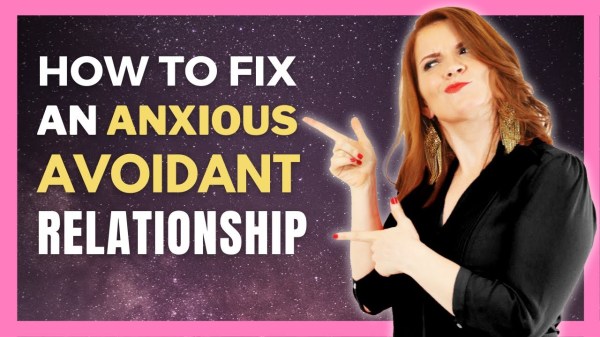
How to Fix an Anxious-Avoidant Relationship (And When to Leave)

Whoa!

The Overlooked Importance of Attachment Style in Mate Choice

Understanding attachment’s evolutionary origins to make better dating decisions. Source: The Overlooked Importance of Attachment Style in Mate Choice

Start a Blog at WordPress.com.

Up ↑