GPT-4.5 fooled most humans in a recent Turing Test, (perhaps) showing we may prefer AI’s fake empathy to real humanity.
AI Beat the Turing Test by Being a Better Human

Thinks I find along the way
GPT-4.5 fooled most humans in a recent Turing Test, (perhaps) showing we may prefer AI’s fake empathy to real humanity.

Trends suggest that AI lovers aren’t just novel but here to stay, and are poised to impact humanity in a variety of ways.
Source: The Attraction and Potential Hazards of AI Lovers

What is the response to the millions of jobs that will disappear on account of AI? h/t Brian Clark
And what happens then?
Continue reading “The Godfather Of AI Has A Message”
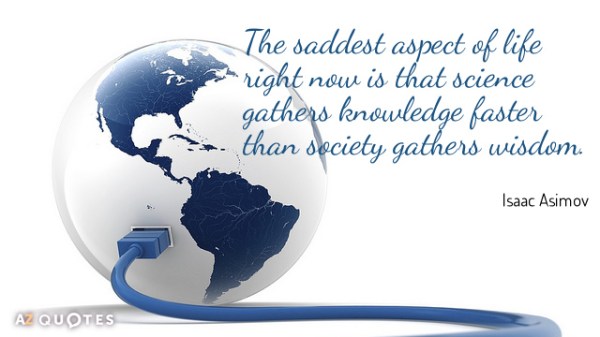
Isaac Asimov famously expressed concern that society gathers knowledge faster than wisdom, highlighting a potential imbalance in our pursuit of technological advancement.
AI presents us with opportunities and opens the door to disaster. To unlock its benefits while minimizing the risks, we must guide its development with a sense of agency.
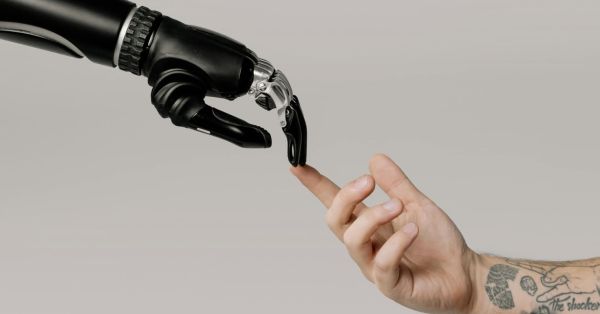
Overreliance on artificial intelligence may diminish critical thinking skills.
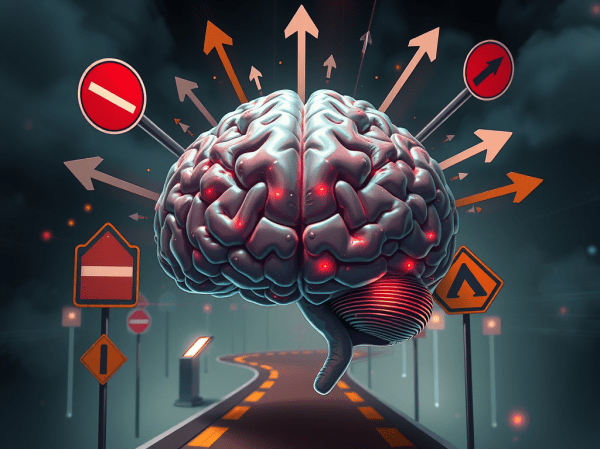
A cognitive bias is a mental shortcut intended to spare us time, effort, or discomfort, but at the cost of accuracy and reliability.
AI isn’t conquering us—it’s seducing us. Not with force, but with ease. This is not our surrender, but our reckoning.

How will AI affect our hearts and minds in the coming year? What will the continuous evolution of AI do to our emotions, mental processes, and behaviors?
Source: 25 Ways AI Will Change How We Think and Feel in 2025
In recent years, Apple has made significant strides in the field of artificial intelligence (AI). With its commitment to enhancing user experience, Apple Intelligence aims to integrate smart technology seamlessly into everyday life. From Siri to machine learning capabilities in its devices, Apple is harnessing the power of AI to create more intuitive and efficient services.
Apple has been envisioning ‘Apple Intelligence’ since 1987. Have you ever seen this video?
Siri, Apple’s voice-activated assistant, has continually evolved since its launch. Apple Intelligence has improved Siri’s understanding of natural language, enabling it to respond more accurately to user queries. With each update, Siri becomes more capable of handling a wider range of tasks, from basic inquiries to complex scheduling and smart home management.
Apple’s AI efforts extend beyond software like Siri to hardware as well. The incorporation of machine learning models in devices enhances features such as photography, face recognition, and predictive text inputs. For instance, the Smart HDR technology in iPhones uses AI to optimize photos by balancing exposure and detailing, providing users with stunning images effortlessly.
A distinct aspect of Apple Intelligence is its focus on user privacy. Apple is committed to ensuring that data collected by its AI systems is handled responsibly. The company processes much of its data locally on devices instead of on external servers, minimizing risks associated with data breaches.
As we look to the future, Apple Intelligence promises to continue evolving, integrating deeper AI capabilities into its ecosystem. Innovations in augmented reality (AR) and advanced health tracking are just the beginning. Apple’s pursuit of intelligent design aims to create devices that not only meet user needs but anticipate them, paving the way for a smarter, more connected world.
In conclusion, Apple Intelligence is not just about technology; it’s about enhancing our daily lives. As the company continues to innovate, the potential applications of AI within the Apple ecosystem are limitless, making our interactions with technology more natural and engaging. Stay tuned for what lies ahead in the fascinating journey of Apple and AI!

S. Craig Watkins is a renowned scholar and professor at the University of Texas at Austin, known for his work in the fields of digital media, youth culture, and social networking. His research explores the intersection of technology and society, including the impact of artificial intelligence on various aspects of human life. Watkins delves into the ways AI influences communication, education, and access to information, shedding light on both its potential benefits and possible drawbacks. His insightful analyses offer valuable perspectives on the evolving relationship between AI and society.

California State Senator Scott Wiener responds to his many critics. Source: Silicon Valley Is Coming Out in Force Against an AI-Safety Bill
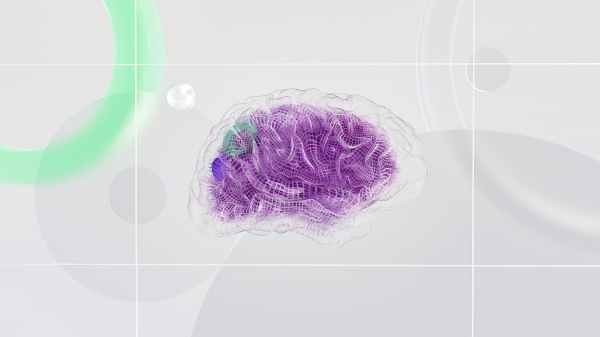
Humans and other animals are conscious because the brain changes as part of the environment from one moment to the next. Artificial intelligence on computers always stays the same: A Question of Time: Why AI Will Never Be Conscious
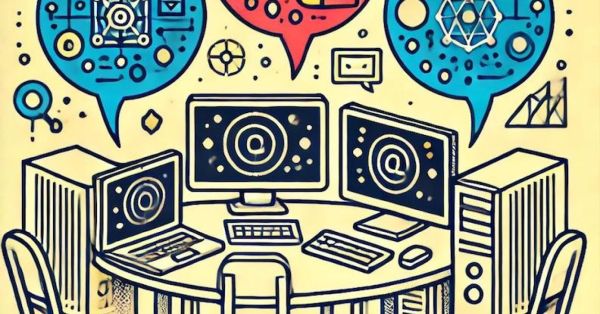
What if the next Einstein or Plato isn’t human, but a conversation between AIs? Source: The Silent Revolution: When AI Starts Talking to Itself

The company’s all-in investment in AI. Source: Google Is About to Change the Whole Internet — Again
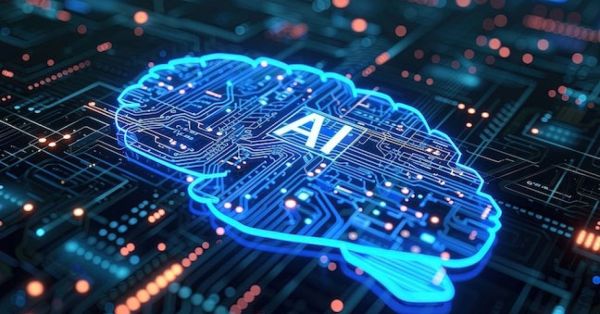
We seem to be speeding toward the first artificial superintelligence. If it happens, according to AI expert Darren Mckee, it will be a profound, exciting, and dangerous moment. Source: Preaching Caution on the Road to AI

New research reveals the unforeseen dangers lurking in artificial intelligence. Source: 4 Surprising Ways AI Poses a Threat to Humanity
The inevitable path from punch cards to brain waves. Source: The Brain-Computer Interface Is Only the Beginning
Junior employees armed with AI skills may even replace first-line managers. Source: The AI Hunger Games Is Coming to Your Workplace

Hollywood imagined that computers would launch a nuclear missile, but self-guided aircraft are what’s truly changing the nature of combat. Source: The Real AI Weapons Are Drones, Not Nukes

Presidential campaigns have long tailored their ads and emails to specific groups. Now any politician can. Source: AI in Politics Is So Much Bigger Than Deepfakes
 Bright, shiny objects!
You must be logged in to post a comment.