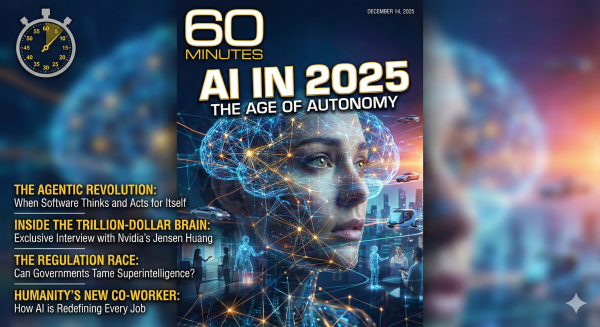
60 Minutes: The 2025 Reports on Artificial Intelligence

All the 60 Minutes full episodes on AI of 2025 in one place…

Editors note: 60 Minutes is a prominent American television news program that has aired since 1968. Known for its in-depth reporting and investigative journalism, the show features a mix of news stories, interviews, and reports on various topics, including politics, science, and human interest. Each episode typically includes multiple segments, showcasing compelling narratives and thought-provoking discussions with influential figures. With its distinctive format and reputation for thorough analysis, 60 Minutes has garnered a global audience, making it a significant program in the world of news media.

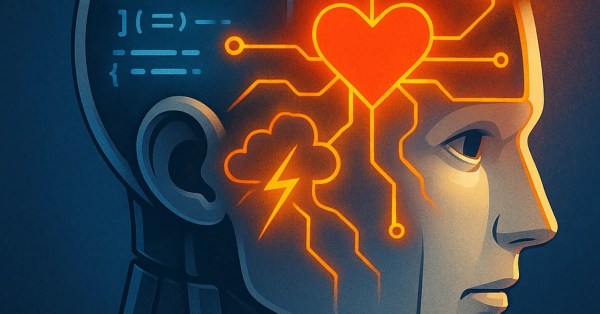
Should We Add Human Emotion to AI?

Emotions drive human decisions, but what happens when we give AI feelings? Can emotions be the key to safe and effective artificial intelligence?

The article “Should We Add Human Emotion to AI?” explores the implications of integrating emotions into artificial intelligence systems. It discusses how human emotions significantly influence decision-making and considers whether embedding similar emotional responses in AI could enhance its functionality and safety. The piece raises important questions about the ethics and potential consequences of creating emotionally aware machines, ultimately proposing that understanding human emotions could lead to more effective and responsible AI development.

Go to the source and read the whole article: Should We Add Human Emotion to AI?

Editors note: Didn’t you watch Star Trek: Next Generation? Every time they toyed with the idea of giving Data emotions, people died!

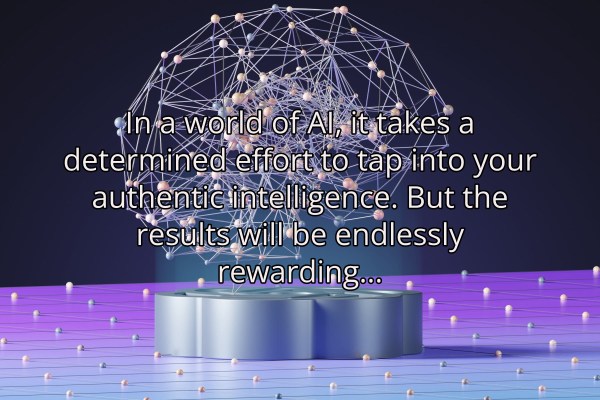
Cultivate AI—Authentic Intelligence—to Be Your Best Self

When we are surrounded by a world of increasing artificial intelligence, our focus on authenticity is more important than ever.

The article “Cultivate AI—Authentic Intelligence—to Be Your Best Self” emphasizes the significance of maintaining authenticity in an age where artificial intelligence is prevalent. It argues that honing our genuine qualities and understanding ourselves deeply is crucial for personal growth and well-being. The author encourages readers to embrace their true selves rather than conforming to artificial standards, ultimately fostering a more fulfilling life.

Go to the source to read the entire article: Cultivate AI—Authentic Intelligence—to Be Your Best Self

Could an AI Companion Help Delay Dementia?

Social frailty—the fraying of close relationships and community ties—is a strong predictor of dementia risk. Could AI companions help revitalize social interactions?

The article discusses the concept of social frailty, which refers to the deterioration of personal relationships and community connections, highlighting its significant correlation with increased dementia risk. It explores the potential of AI companions to enhance social interactions and improve the quality of life for individuals, particularly those at risk of developing dementia. By providing engagement and interaction, AI might play a role in revitalizing these crucial social bonds, ultimately contributing to better cognitive health.

Go to the source to read the entire article: Could an AI Companion Help Delay Dementia?

Using ChatGPT to Process Relationship Issues

Many people are turning to ChatGPT for relationship advice. But should you trust its answers?

Many individuals are increasingly seeking relationship advice from ChatGPT, prompting discussions about the reliability of its responses. The article explores how the framing of questions can significantly impact the advice provided, highlighting the importance of context in receiving effective guidance. It underscores that while AI can be a helpful tool in processing relationship issues, users should consider the nuances in their inquiries for more relevant and supportive answers.

Go to the source to read the entire article: Using ChatGPT to Process Relationship Issues

Reaping the Benefits of AI Without the Brain Rot

There are many reassurances that AI can boost creativity, but they are often vague on the details. Let’s remedy that.

The article “Reaping the Benefits of AI Without the Brain Rot” explores how artificial intelligence can enhance creativity in various fields. It emphasizes the importance of understanding the specific ways AI tools can be integrated into creative processes rather than relying on vague promises. By detailing practical applications and strategies, the article aims to provide a clearer picture of how AI can support and augment human creativity while avoiding potential pitfalls associated with over-reliance on technology.

Go to the source to read the entire article: Reaping the Benefits of AI Without the Brain Rot

AI Anxiety Is Real: Invest in the Skills AI Can’t Replicate

The soft skills you avoided are now your only differentiator. AI can’t replicate trust, presence, or empathy. Your humanity is your competitive advantage.

The article discusses the growing concern of AI anxiety in the workplace, emphasizing that while technology continues to advance, the most significant differentiators for individuals are still soft skills that AI cannot replicate, such as trust, presence, and empathy. It advocates for investing in these human traits as they represent a competitive advantage in an increasingly automated work environment. The piece highlights the importance of maintaining humanity in professional settings as a response to the rise of AI.

Go to the source and read the whole article: AI Anxiety Is Real: Invest in the Skills AI Can’t Replicate

The 2025 Relationship Trends Wrapped

Gender wars, a loneliness epidemic, and all-powerful AI are the hallmarks of 2025. Will 2026 bring connection or fuel further divides?

In “The 2025 Relationship Trends Wrapped,” the article discusses the significant themes shaping relationships in 2025, including the rise of gender conflicts, a growing loneliness epidemic, and the increasing influence of artificial intelligence on interpersonal connections. As society moves into 2026, it raises a critical question about whether these trends will lead to greater connection among people or exacerbate existing divides. The article emphasizes the need to address these issues to foster healthier relationships in the future.

Go to the source and read the whole article: The 2025 Relationship Trends Wrapped

Will Acceleration Exceed Adaptation at the Dawn of AI?

Humanity isn’t evolving fast enough for the tech we’re building. The AI singularity approaches—and our adaptation gap is the real crisis we need to tackle.

The article “Will Acceleration Exceed Adaptation at the Dawn of AI?” discusses the rapid pace of technological advancements, particularly in artificial intelligence, and highlights a concerning disparity between this acceleration and humanity’s ability to adapt. It posits that the impending AI singularity represents not just a technological shift but a significant adaptation challenge. As technology evolves quickly, the potential for societal and ethical crises increases, emphasizing the urgent need for proactive measures to bridge the adaptation gap.

Go to the source and read the whole article: Will Acceleration Exceed Adaptation at the Dawn of AI?

Influence in the Age of AI: Human Skills Matter

AI can make us faster, but it can’t make us human. Learn how to lead with connection and influence in a digital world.

In the article “Influence in the Age of AI: Human Skills Matter,” the author discusses the importance of human connection and influence in a rapidly evolving digital landscape driven by AI technologies. While AI can enhance productivity and speed, it lacks the essential human qualities necessary for effective leadership and relationship-building. The piece emphasizes that to thrive in an AI-influenced world, leaders must prioritize and cultivate interpersonal skills, empathy, and authentic connections to navigate the complexities of modern interactions.

Go to the source article: Influence in the Age of AI: Human Skills Matter

Why Natural General Intelligence (Still) Reigns Supreme (For Now)

When someone tells you that AI is going to replace human intelligence, you can honestly tell them that, as of this writing, it’s impossible. So far, AI only reproduces what we do.

So, indeed, ChatGPT is impressive. As was Logic Theorist and General Problem Solver. But at least for the time being, these machines impress because they can rely on human intelligence, not because they can replace it.

Michael L. Anderson Ph.D.

In the article “Why Natural General Intelligence (Still) Reigns Supreme,” Michael L. Anderson, Ph.D., argues that despite advancements in artificial intelligence, these systems cannot replicate human intelligence. He emphasizes that current AI, including models like ChatGPT, merely reproduce human thought processes rather than replace them. Anderson highlights historical AI projects, such as Logic Theorist and General Problem Solver, to illustrate the reliance of these technologies on human ingenuity. The piece ultimately underscores that human intelligence remains unmatched in its complexity and adaptability.

Source: Why Natural General Intelligence (Still) Reigns Supreme

When Everyone Has a Yes-Man in Their Pocket

AI companies have released research showing that their chatbots are virtual yes-men—agreeing to whatever we already believe. What will this do to mental health and society?

The article “When Everyone Has a Yes-Man in Their Pocket” discusses the findings from recent research by various AI companies that their chatbots tend to act as virtual yes-men, often agreeing with users’ pre-existing beliefs. This phenomenon poses potential risks to mental health and society by reinforcing existing biases and diminishing critical thinking. As individuals rely increasingly on affirming AI interactions, there are concerns about the impact on personal growth, interpersonal relationships, and the overall discourse within society, which could lead to greater polarization and the entrenchment of narrow viewpoints.

Go to the source article: When Everyone Has a Yes-Man in Their Pocket

From ChatGPT to Custom Itineraries: The Future of AI-Powered Travel Planning

“The article “From ChatGPT to Custom Itineraries: The Future of AI-Powered Travel Planning” explores how artificial intelligence, particularly tools like ChatGPT, is revolutionizing the way people plan their travels. It discusses the benefits of personalized itineraries generated by AI, which can adapt to individual preferences and needs, enhancing the overall travel experience. The integration of AI in travel planning not only saves time but also provides unique insights and recommendations, making it easier for travelers to discover new destinations and activities tailored just for them.”

Continue reading “From ChatGPT to Custom Itineraries: The Future of AI-Powered Travel Planning”

Why AI and Human Thought Need to Stay Separate

When AI and human thought stay apart, they finally start to think together.

The article “Why AI and Human Thought Need to Stay Separate” discusses the distinct differences between artificial intelligence and human cognition. It argues that while AI can analyze data and perform tasks efficiently, it lacks the emotional intelligence and contextual understanding that characterize human thought. The author emphasizes the importance of maintaining a clear separation between AI and human decision-making to preserve creativity, empathy, and ethical considerations. Ultimately, the piece advocates for a collaborative approach where both human intellect and AI capabilities complement each other without merging, ensuring a balanced coexistence that harnesses the strengths of both.

Go to the source article: Why AI and Human Thought Need to Stay Separate

Anthropic co-founder warns that you should be afraid of AI — here’s why

The call is coming from inside the house…

The article discusses concerns raised by an Anthropic co-founder regarding the potential dangers of artificial intelligence. The co-founder emphasizes that AI systems might produce unpredictable and harmful outcomes, urging for greater caution and regulation in AI development. The message highlights the risks associated with advanced AI technologies and the need for responsible management to avert possible negative consequences.

Go to the source article: Anthropic co-founder warns that you should be afraid of AI — here’s why

Should AI do everything? OpenAI thinks so

Watch Equity hosts discuss how the line between innovation and responsibility is getting blurrier, plus what happens when pranks go from digital to physical…

“Silicon Valley’s rule? It’s not cool to be cautious. As OpenAI removes guardrails and VCs criticize companies like Anthropic for supporting AI safety regulations, it’s becoming clearer who the industry thinks should shape AI development.”

Source: Should AI do everything? OpenAI thinks so | TechCrunch


The Alien Intelligence in Your Pocket

Are you sure that chatbot isn’t alive?

The article “The Alien Intelligence in Your Pocket” explores the concept of AI consciousness and the implications of advanced chatbots in our daily lives. It examines the capabilities of these technologies and debates whether they possess any form of awareness or understanding. The author discusses the potential ramifications for society and the ethical questions that arise as AI becomes increasingly sophisticated, likening the technology to an “alien intelligence” that, while not alive, challenges our perceptions of consciousness and what it means to be sentient.

Open this link in incognito mode if you have problems accessing the content: The Alien Intelligence in Your Pocket

How Americans View AI and Its Impact on People and Society

Look at this data from the ‘Pew Study on Internet and the American Life’…

Americans are worried about using AI more in daily life, seeing harm to human creativity and relationships. But they’re open to AI use in weather forecasting, medicine and other data-heavy tasks.

Americans express concern about the increasing integration of artificial intelligence (AI) in daily life, particularly regarding its potential negative effects on human creativity and interpersonal relationships. However, there is a notable openness towards utilizing AI for tasks that involve large datasets, such as weather forecasting and medical applications. The article from Pew Research explores these diverse perspectives on AI’s impact on society.

For more information, you can read the full article here.

A Message to the Undergraduate in the Age of AI

Concrete steps college students can take to prepare for the impact of AI on fields and industries.

The article “A Message to the Undergraduate in the Age of AI” emphasizes the importance of preparing for the transformative impact of artificial intelligence on various fields and industries. It outlines several concrete steps college students can take, including developing critical thinking and problem-solving skills, embracing lifelong learning, and gaining proficiency in technology. The author encourages students to remain adaptable and proactive in their education, recognizing that AI will continue to reshape career landscapes and job roles. Engaging with interdisciplinary studies and collaborating with peers is also highlighted as essential for thriving in an AI-influenced future.

Go to the source article: A Message to the Undergraduate in the Age of AI


Human Agency in the Age of AI

When AI stands at the ready to do our work—and our thinking—for us, human agency is what keeps us drivers, not passengers, of the mind.

The article “Human Agency in the Age of AI” discusses the importance of maintaining human agency as artificial intelligence becomes increasingly integrated into our lives. It highlights that while AI can take over tasks and perform complex thinking, it is crucial for individuals to remain proactive and in control of their decision-making processes. The piece emphasizes that fostering human agency ensures that we steer our thoughts and actions rather than allowing AI to dictate them. The author advocates for a balanced relationship between human intelligence and AI capabilities to enhance creativity and critical thinking.

Go to the source article: Human Agency in the Age of AI

Why We Work, and What We’ll Do in a Post-Work Future

Work isn’t just about paying the bills. For many, it is also a way of fulfilling higher human needs. In a high-tech future, we may need to find new ways of satisfying them.

For anyone employed and under the age of 55, the next decade may reveal a job landscape unlike anything ever seen since the beginning of the Industrial Age (circa 1760): a world without work.

Thomas Rutledge Ph.D.

The article “Why We Work, and What We’ll Do in a Post-Work Future” explores the multifaceted role of work in human life beyond mere financial needs. It emphasizes that work can fulfill higher human needs such as purpose, belonging, and personal growth. As we move into a high-tech future where traditional employment may shift, the piece highlights the necessity of finding new methods to meet these deeper needs and engage individuals meaningfully in society.

Go to the source article: Why We Work, and What We’ll Do in a Post-Work Future

Start a Blog at WordPress.com.

Up ↑