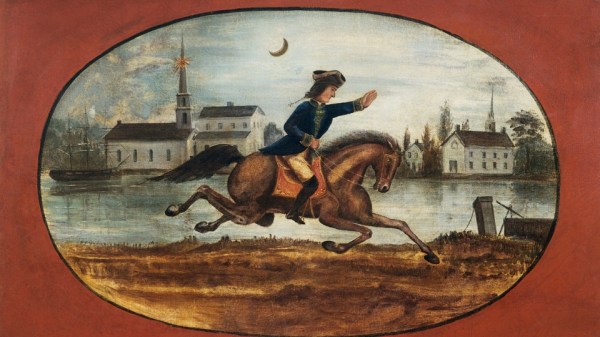
“Paul Revere’s Ride” is a narrative poem written by American poet Henry Wadsworth Longfellow, first published in 1861 in the Atlantic Monthly. The poem is inspired by the historical events surrounding the American Revolution and specifically recounts the midnight ride of Paul Revere on April 18, 1775, as he warned the American colonists of the approaching British forces.
Longfellow aimed to create a patriotic piece that would evoke a sense of national pride and unity during a time of crisis in America, as the country was on the brink of the Civil War. The poem romanticizes Revere’s ride and portrays him as a heroic figure in the fight for independence. Longfellow’s use of rhythmic structure and vivid imagery helped popularize the story of Paul Revere, making it a staple of American folklore.
Though artistic liberties were taken in the narrative, the poem’s legacy endured, and it remains one of Longfellow’s most celebrated works. It has continued to influence American literature and culture, serving as a symbol of the spirit of resistance and the quest for freedom. And so it begins…
Listen, my children, and you shall hear
Of the midnight ride of Paul Revere,
On the eighteenth of April, in Seventy-Five:
Hardly a man is now alive
Who remembers that famous day and year…
Source: Paul Revere’s Ride, by Henry Wadsworth Longfellow – The Atlantic




 Bright, shiny objects!
You must be logged in to post a comment.