Could an AI Companion Help Delay Dementia?

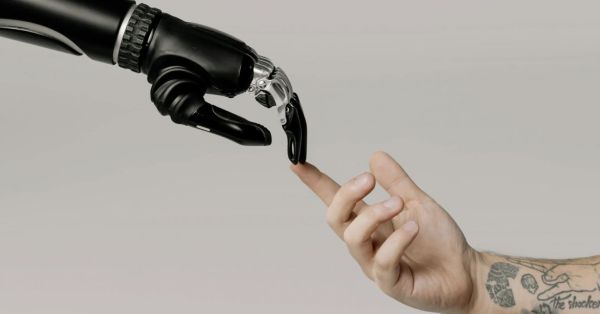
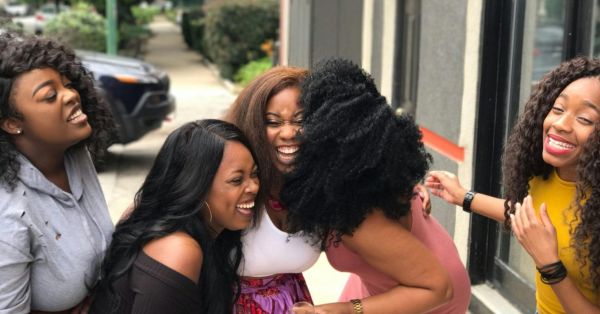
Social frailty—the fraying of close relationships and community ties—is a strong predictor of dementia risk. Could AI companions help revitalize social interactions?

The article discusses the concept of social frailty, which refers to the deterioration of personal relationships and community connections, highlighting its significant correlation with increased dementia risk. It explores the potential of AI companions to enhance social interactions and improve the quality of life for individuals, particularly those at risk of developing dementia. By providing engagement and interaction, AI might play a role in revitalizing these crucial social bonds, ultimately contributing to better cognitive health.

Go to the source to read the entire article: Could an AI Companion Help Delay Dementia?

55 thoughts on turning 55

Kevin Dahlstrom tweets…

Older Can Be Not Only Wiser, but Nicer

The secret weapon? Generativity.

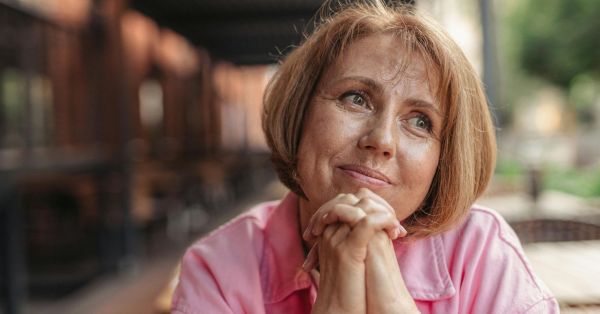
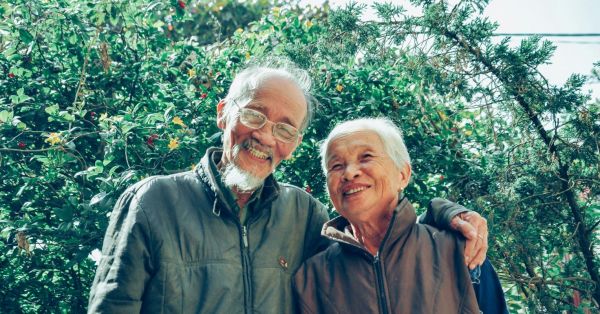
The article “When Older Is Not Only Wiser, but Nicer” explores how older individuals often exhibit greater generativity, a characteristic associated with being caring, productive, and guiding future generations. It highlights that older adults can contribute positively to society through their wisdom and kindness, challenging common stereotypes that associate aging solely with decline. The author’s insights emphasize that age can bring not only wisdom but also improved interpersonal relationships and compassion, making aging a potential source of strength and support for younger generations.

Go to the source article: Older Can Be Not Only Wiser, but Nicer

These 4 Nutrients May Combat Your Dementia Risk—Are You Getting Enough?

The article from Mindbodygreen highlights four key nutrients believed to help reduce the risk of dementia. It emphasizes the importance of these neuroprotective nutrients in promoting cognitive longevity and suggests ways to incorporate them into your diet to support brain health. The article encourages readers to be mindful of their nutrient intake for better cognitive function as they age.

Here’s how to get enough of them. Source: These 4 Nutrients May Combat Your Dementia Risk—Are You Getting Enough?

It’s Not Too Early to Invest in Your Psychological Portfolio

When it comes to aging, you have options.

The article “It’s Not Too Early to Invest in Your Psychological Portfolio” emphasizes the importance of proactive mental health investment as one ages. It discusses various strategies to enhance psychological well-being, highlighting the significance of self-awareness, emotional intelligence, and meaningful relationships in fostering resilience against challenges associated with aging. The piece encourages readers to prioritize their mental health to navigate life’s transitions more effectively.

Go to the source article: It’s Not Too Early to Invest in Your Psychological Portfolio

How to Build Lasting Fitness Habits

Why motivation fades and what to do instead. Learn the psychology behind building a fitness habit that truly lasts.

The article “The Psychology of Sustainable Fitness” explores the reasons why motivation often diminishes over time when trying to establish fitness habits. It emphasizes the importance of understanding the psychological factors that contribute to lasting behavior change. To build fitness habits that endure, the article suggests focusing on intrinsic motivation, setting realistic goals, and creating a supportive environment. By addressing these psychological aspects, individuals can foster sustainable fitness routines and overcome barriers to physical activity.

Source: The Psychology of Sustainable Fitness

Recommended reading:

Timeless Minds

The brain’s memory compression causes the recent past to feel similar across ages, explaining why we often don’t sense our age despite the passing years.

The article “Timeless Minds” from Psychology Today discusses how the brain’s memory compression contributes to a perception of timelessness, making the recent past feel similar at different ages. This phenomenon helps explain why individuals often do not feel their chronological age, despite the actual passage of years. The author explores the psychological implications and the nature of memory, suggesting that the way we process and recall experiences can alter our sense of age.

Source: Timeless Minds

The True Silent Killer of Your Mental Health—You

You’ve been told that “busy” equals “productive,” but it may be time to face the uncomfortable truth: you’re not just stressed; you’re breaking down.

Source: The True Silent Killer of Your Mental Health—You

Confronting the Old Man in the Mirror

What you need to do when your “mirrored self” represents a major degradation from your inwardly imagined self.

Source: Confronting the Old Man in the Mirror

Why Are Meaningful Adult Friendships So Hard to Come By?

Finding and maintaining meaningful friendships in adulthood can be more difficult than finding romantic love. Source: Why Are Meaningful Adult Friendships So Hard to Come By?

Facing and Feeling Your Age

Age isn’t just a number. It’s both a reality and a feeling: Facing and Feeling Your Age

Are You Getting Younger, or Do You Just Feel That Way?

When people say they don’t feel their age, they may be experiencing “subjective rejuvenation.” New research on self-perceptions shows this is getting pretty common. Source: Are You Getting Younger, or Do You Just Feel That Way?


Are You Getting Younger, or Do You Just Feel That Way?

When people say they don’t feel their age, they may be experiencing “subjective rejuvenation.” New research on self-perceptions shows this is getting pretty common: Are You Getting Younger, or Do You Just Feel That Way?


Steve Jobs on death…

“One sunny afternoon, when he wasn’t feeling well, Jobs sat in the garden behind his house and reflected on death. He talked about his experiences in India almost four decades earlier, his study of Buddhism, and his views on reincarnation and spiritual transcendence. “I’m about fifty-fifty on believing in God,” he said. “For most of my life, I’ve felt that there must be more to our existence than meets the eye.” He admitted that, as he faced death, he might be overestimating the odds out of a desire to believe in an afterlife. “I like to think that something survives after you die,” he said. “It’s strange to think that you accumulate all this experience, and maybe a little wisdom, and it just goes away. So I really want to believe that something survives, that maybe your consciousness endures.” He fell silent for a very long time. “But on the other hand, perhaps it’s like an on-off switch,” he said. “Click! And you’re gone.” Then he paused again and smiled slightly. “Maybe that’s why I never liked to put on-off switches on Apple devices.””

Isaacson, Walter. Steve Jobs (pp. 570-572). Simon & Schuster. Kindle Edition.

Recommended reading…

Facing the Fear of Death

Many people fear their inevitable death. Here are 7 tips to help you live more and worry less about your mortality. Source: Facing the Fear of Death

Finding Meaning in the Natural Process of Aging

Aging, in many respects, is a self-fulfilling prophecy: The more we are told we are old, the more we believe we are. And the older we feel we are, the older we act. Source: Finding Meaning in the Natural Process of Aging

Generational Differences at Work Are Marketing Hype

Generational differences at work are largely unsupported by data and often harmful. Shifting focus from supposed generational gaps can improve workplace dynamics. Source: Generational Differences at Work Are Marketing Hype

The Ecology of Swedish Death Cleaning

Let your material legacy be light. Source: The Ecology of Swedish Death Cleaning

The 7 Do’s and Don’ts for Becoming a Wise Person

A new theory proposes wisdom’s 7 main branches and how to climb each. Source: The 7 Do’s and Don’ts for Becoming a Wise Person

Finding Love After 50: Three Secrets to Success

How to cultivate nurturing relationships in midlife and beyond. Source: Finding Love After 50: Three Secrets to Success

8 lessons 95 percent of people learn too late in life, according to psychologists

“It’s one of the most universal and unavoidable aspects of being human:

We all make mistakes, we all have regrets, and we all learn lessons the hard way.

You’ve been there, haven’t you? You’ve made decisions that seemed perfect at the time, only to look back and wish you could do things differently.

Sometimes, it’s not even about huge, life-altering mistakes.

You just somehow realize, years down the line, that there were certain truths about life you wish you had grasped earlier.

Here’s a peek into some of those lessons that a staggering 95 percent of people learn too late in life, according to psychologists.” Go to the source: 8 lessons 95 percent of people learn too late in life, according to psychologists

Start a Blog at WordPress.com.

Up ↑