“Recovery is about more than walking away. Sometimes it means Learning to stay and deal. It’s about building and maintaining relationships that work.” Beyond Codependency
Problems and conflicts are part of life and relationships with friends, family, loved ones, and at work. Problem solving and conflict negotiation are skifis we can acquire and improve with time.
Not being willing to tackle and solve problems in relationships leads to unresolved feelings of anger and victimization, terminated relationships, unresolved problems, and power plays that intensify the problem and waste time and energy.
Not being willing to face and solve problems means we may run into that problem again. Some problems with people cannot be worked out in mutually satisfactory ways. Sometimes the problem is a boundary issue we have, and there is not room to negotiate.
In that case, we need to clearly understand what we want and need and what our bottom line is. Some problems with people, though, can be worked out, worked through, and satisfactorily negotiated. Often, there are workable options for solving problems that we will not even see until we become open to the concept of working through problems in relationships, rather than running from the problems.
To negotiate problems, we must be willing to identify the problem, let go of blame and shame, and focus on possible creative solutions. To successfully negotiate and solve problems in relationships, we must have a sense of our bottom line and our boundary issues, so we don’t waste time trying to negotiate nonnegotiable issues.
We need to learn to identify what both people really want and need and the different possibilities for working that out. We can learn to be flexible without being too flexible. Committed, intimate relationships mean two people are learning to work together through their problems and conflicts in ways that work in both people’s best interest.
Today, I will be open to negotiating conflicts I have with people. I will strive for balance without being too submissive or too demanding. I will strive for appropriate flexibility in my problem-solving efforts.
I started out to only curate a small part of Mastin’s post this morning but just couldn’t stop. Here’s the whole post in it’s entirety more or less…
Are there any habits that you have that are costing you the things in your life that you truly love? For example, do you love your family but overworking causes you to miss out on them? Do you want to fall in love, but your desire to not get hurt again holds you back? Are you pursuing a professional career because you want to get significance from one of your parents, even though what you are doing doesn’t make you come alive? Are you so focused on the future of where your relationship is going that you aren’t enjoying it in the present? Are you so focused on the potential of someone you are in a toxic relationship with that you ignore the fact that you are unhappy with it, but you cling to the idea that they could change?
What is your current set of beliefs costing you? Are there any behaviors you have that are preventing you from getting what you really want?
For example – did you start a business because you wanted more free time, yet that will never happen? Or because you think it will make you rich, and that will allow you to spend more time with the family, but you have no time for them? Do you work your butt off so you don’t have to stress about money, but no matter what happens, you stress about money? Are you in a toxic relationship because you want Love, but aren’t really getting any?
So many times we do things that are not really in our nature because there is an outcome we want that we could get with much more ease if we were to just accept our nature. There are lots of ways to get what you really want, but first you have to know who you really are! Some people have no idea who they are; others own themselves like crazy!
So, how do you find out who you really are? Well it would be a lot easier if I was working with you one on one, we could get to the core of it rather quickly. But here’s the rub… Remember back over your life to all the moments where you were really alive! What were they? What moments in your life were you totally happy, fulfilled, etc.?
Think back and look at the things in common that you had in each of these moments. These are the things you REALLY want in life. Freedom. Passion. Love. Connection. Growth. Contribution. Joy. Variety.
So, in your current life, what are you doing to GET these things that is actually the OPPOSITE of them? Are you settling to get love? Are you doing things that confine you to get freedom?
What if it were true that you could get everything you wanted now, just by changing your story about what’s possible? What if you could have all the Love you wanted right now if you gave up trying to prove your way into getting Love and just accepted that you were love-able now? How would that change your life? Are you in the rat race because you think winning it will give you something? IF so, remember that even if you win the rat race you are still a rat! )
So, how can you see that it’s possible to already get what you want, right now? Are you trying to get what matters most to you in a backwards way? Can you really get what you want now by changing your story about what you really deserve and what you have to do to get the thing you want most? Have you forgotten who you really are and lived a life to live up to someone else’s expectations?
If you had a rocky childhood, it doesn’t have to ruin your adulthood.
If you are in a career that doesn’t fulfill you, you can do something new.
If you are in a toxic relationship, you can change the rules or move on.
If you were in an unhealthy relationship in the past, it doesn’t mean your next relationship can’t be wonderful.
If you have lived in the same place forever, you can find new scenery that stimulates your growth.
If you have been overweight for most of your life, you can get healthy today.
If you are addicted to alcohol, drugs, food or anything else, you can seek help now.
Just because you have always done it one way doesn’t mean you have to keep doing it that way.
No matter what road you’re on, no matter how long you have been on it, no matter who you are traveling it with, it is never too late to change direction.
Looking back and wishing you could change history or have done something differently is a waste of energy. Keep moving forward.
One of our choices in recovery is choosing what we want to think—using our mental energy positively. Positive mental energy, positive thinking, does not mean we think unrealistically or revert to denial. If we don’t like something, we respect our own opinion. If we spot a problem, we’re honest about it. If something isn’t working out, we accept reality. But we don’t dwell on the negative parts of our experience. Whatever we give energy to, we empower. There is magic in empowering the good, because whatever we empower grows bigger. One way to empower the good is through affirmations: simple positive statements we make to ourselves: I love myself…. I’m good enough…. My life is good…. I’m glad I’m alive today…. What I want and need is coming to me…. I can…. Our choice in recovery is not whether to use affirmations. We’ve been affirming thoughts and beliefs since we were old enough to speak. The choice in recovery is what we want to affirm. Today, I will empower the good in myself, others, and life. I’m willing to release, or let go of, negative thought patterns and replace them with positive ones. I will choose what I want to affirm, and I will make it good.
Beattie, Melody (2009-12-15). The Language of Letting Go (Hazelden Meditation Series) (pp. 358-359). Hazelden. Kindle Edition.
Detachment is a key to recovery from codependency. It strengthens our healthy relationships the ones that we want to grow and flourish. It benefits our difficult relations hips the ones that are teaching us to cope. It helps us!
Detachment is not something we do once. It’s a daily behavior in recovery. We learn it when we’re beginning our recovery from codependency and adult children issues. And we continue to practice it along the way as we grow and change, and as our relationships grow and change.
We learn to let go of people we love, people we like, and those we don’t particularly care for. We separate ourselves, and our process, from others and their process.
We relinquish our tight hold and our need to control in our relationships. We take responsibility for ourselves; we allow others to do the same. We detach with the understanding that life is unfolding exactly as it needs to, for others and ourselves. The way life unfolds is good, even when it hurts. And ultimately, we can benefit from even the most difficult situations. We do this with the understanding that a Power greater than ourselves is in charge, and all is well.
Today, I will apply the concept of detachment, to the best of my ability, in my relationships. if I can’t let go completely, I’ll try to “hang on loose”
Gemma Stone has some great thoughts on dealing with the drama that sometimes accompanies the holidays…
Gemma calls out a strategy and tactic that I have been using recently with some positive results, although I did not realize it was called ‘non-violent communication’.
“When something ‘dramatic’ come up” she says “use this four step communication process.
1. When I see/hear…
2. The story I tell myself about that is…
3. What I feel is…
4. What I need/want/like is…
Here’s what it might sound like,
“When I hear you raising your voice, the story I tell myself is that you don’t respect me and I feel hurt. What I really need is for us to speak to each other with kindness.”
Let’s say your attempt at influencing the family drama is an epic fail. Don’t lose hope (or storm out), you can always control your internal environment.”
Step 2 is new to me, but I have been working with “what I see, what I feel, what I would like to see” and that has been helping to de-escalate some of the drama in my life and I agree with Gemma that it is a valuable tool…
Go to the source of the article to read the rest of Gemma’s thoughts on the topic and I strongly urge you to follow her blog for more great thinking like this…
I have also found great comfort and help in Melody Beattie‘s works on Codependency; Codependent No More, The ‘Codependent No More’ Workbook, and The Language of Letting Go. Recently, I found this in The Language of Letting Go and it helps me to better understand the concept of using boundaries and healty detachment to remain sane during the holidays…
When we don’t ask for what we want and need, we discount ourselves. We deserve better. Maybe others taught us it wasn’t polite or appropriate to speak up for ourselves. The truth is, if we don’t, our unmet wants and needs may ultimately come back to haunt our relationships. We may end up feeling angry or resentful, or we may begin to punish someone else for not guessing what we need. We may end the relationship because it doesn’t meet our needs. Intimacy and closeness are only possible in a relationship when both people can say what they want and need. Sustained intimacy demands this. Sometimes, we may even have to demand what we want. That’s called setting a boundary. We do this not to control another person, but to gain control of our life. Our attitude toward our needs is important too. We must value them and take them seriously if we expect others to take us seriously. When we begin to place value and importance on our needs, we’ll see a remarkable change. Our wants and needs will begin to get met. Today, I will respect the wants and needs of myself and others. I will tell myself, others, and my Higher Power what I want and need. I will listen to what they want and need too.
On the topic of detaching in love, Melody recently wrote this…
Few things can make us feel crazier than expecting something from someone who has nothing to give. Few things can frustrate us more than trying to make a person someone he or she isn’t; we feel crazy when we try to pretend that person is someone he or she is not. We may have spent years negotiating with reality concerning particular people from our past and our present. We may have spent years trying to get someone to love us in a certain way, when that person cannot or will not. It is time to let it go. It is time to let him or her go. That doesn’t mean we can’t love that person anymore. It means that we will feel the immense relief that comes when we stop denying reality and begin accepting. We release that person to be who he or she actually is. We stop trying to make that person be someone he or she is not. We deal with our feelings and walk away from the destructive system. We learn to love and care differently in a way that takes reality into account. We enter into a relationship with that person on new terms—taking ourselves and our needs into account. If a person is addicted to alcohol, other drugs, misery, or other people, we let go of his or her addiction; we take our hands off it. We give his or her life back. And we, in the process, are given our life and freedom in return. We stop letting what we are not getting from that person control us. We take responsibility for our life. We go ahead with the process of loving and taking care of ourselves. We decide how we want to interact with that person, taking reality and our own best interests into account. We get angry, we feel hurt, but we land in a place of forgiveness. We set him or her free, and we become set free from bondage. This is the heart of detaching in love. Today, I will work at detaching in love from troublesome people in my life. I will strive to accept reality in my relationships. I will give myself permission to take care of myself in my relationships, with emotional, physical, mental, and spiritual freedom for both people as my goal.
Beattie, Melody (2009-12-15). The Language of Letting Go (Hazelden Meditation Series) (pp. 352-353). Hazelden. Kindle Edition.
Whatever you take from this, I hope it leaves you feeling better about the holidays and better equipped to deal with some of the drama that may pop up along the way…
“When we don’t ask for what we want and need, we discount ourselves. We deserve better. Maybe others taught us it wasn’t polite or appropriate to speak up for ourselves. The truth is, if we don’t, our unmet wants and needs may ultimately come back to haunt our relationships. We may end up feeling angry or resentful, or we may begin to punish someone else for not guessing what we need. We may end the relationship because it doesn’t meet our needs. Intimacy and closeness are only possible in a relationship when both people can say what they want and need. Sustained intimacy demands this. Sometimes, we may even have to demand what we want. That’s called setting a boundary. We do this not to control another person, but to gain control of our life. Our attitude toward our needs is important too. We must value them and take them seriously if we expect others to take us seriously. When we begin to place value and importance on our needs, we’ll see a remarkable change. Our wants and needs will begin to get met. Today, I will respect the wants and needs of myself and others. I will tell myself, others, and my Higher Power what I want and need. I will listen to what they want and need too.”
One of my clients — the lovely and uber-wise Gemma Stone — recently posted this on her blog…
While I cursed her at the time for posting this in November and not April [because I don’t have a treadmill] I have heeded her advice several times since then and it has always yielded the benefits she touted. This morning, I took a couple of minutes to walk a few blocks down to the harbor in our town and this is some of what I saw. I’m tempted to say ‘huge piles of shame on me for not doing this before’ but I’m sure that Gemma would be the first to tell me to love myself and let it go [and learn from my ‘mistake’]. Thanks, Gemma…
Go to the source and read the rest of the article – you’ll thank me for it later — but in the meantime, treat yourself to this video. Kute is both wise and entertaining — it’s impossible to remain unaffected by his energy…
This is a ‘well done’ post from a reader of The Daily Love…
I need to remind myself of several things:
I am worthy
I am loveable
I am smart
I am beautiful
I am not perfect
I should stop trying to be
Love will come when it will
Miracles are possible
There is always a solution
I am not what people think of me
Sometimes, it’s okay to take a break and sit out for a round or three
It’s okay to be lost. And it’s not necessary to always be found. I find that it’s better to forage my own trail than to step in others foot prints. Mistakes happen. But that how I LEARN. And yes, sometimes I touch a hot stove twice because there is always a possibility that by some strange chance, I won’t get burned, that there will be a different out come.
Mostly, it’s time to stop being so self critical, and show a little self love.


 )
)
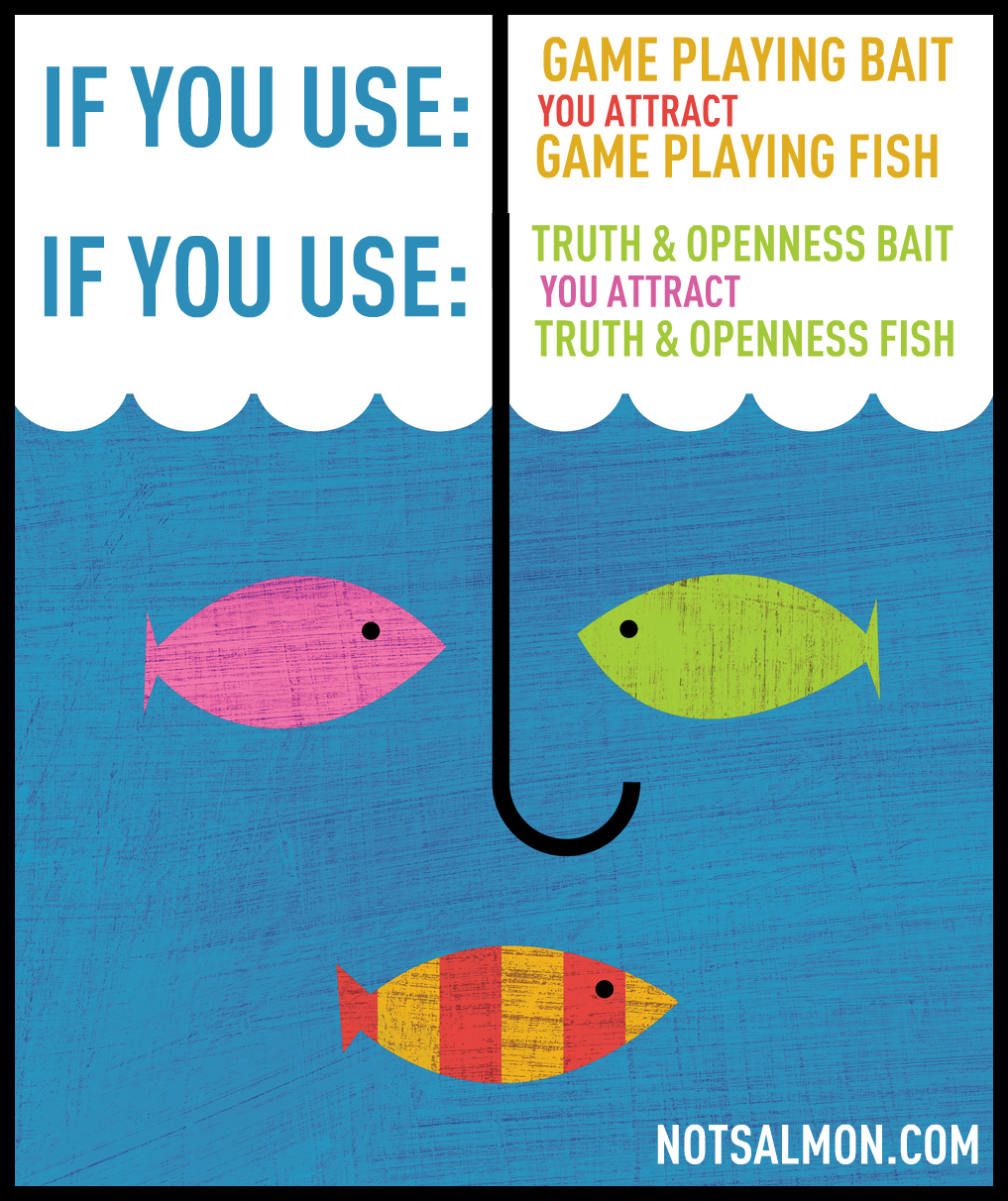


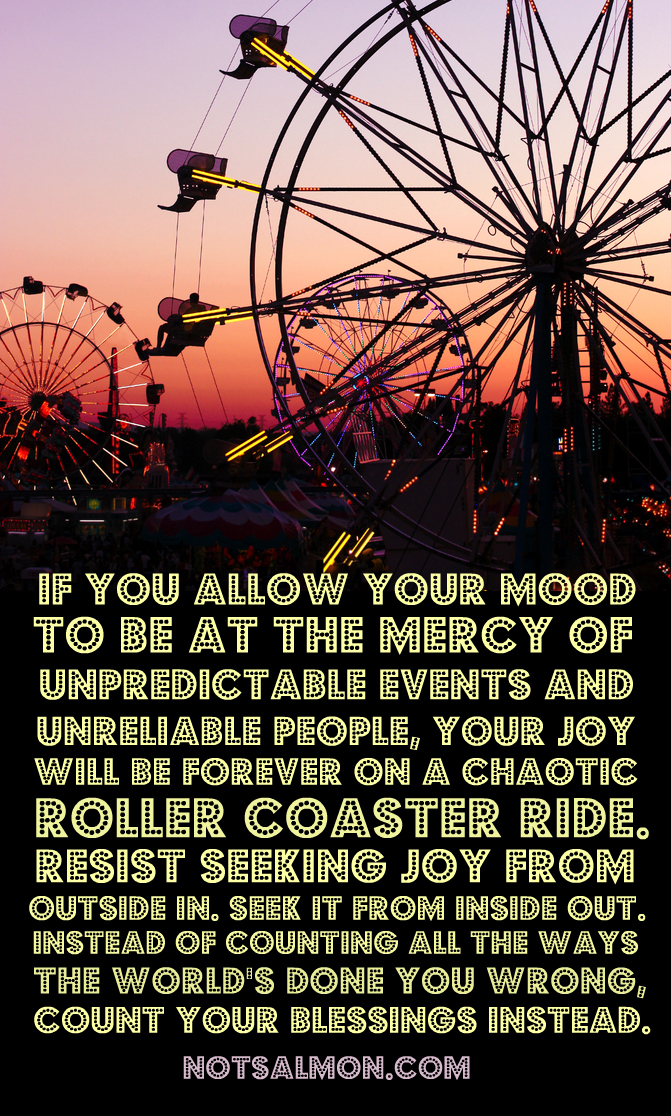


 This is a ‘well done’ post from a reader of The Daily Love…
 Bright, shiny objects!


You must be logged in to post a comment.