Happy International Day of Yoga!!

Raffaello Palandri shares this…

Raffaello Palandri's avatarRaffaello Palandri's Blog

Today we celebrate the International Day of Yoga.

This worldwide celebration wants to spread awareness about holistic health and fitness by practising a millenary discipline such as Yoga.

This year’s International Yoga Day 2023 theme is Vasdhaiv Kutumbakam.

Vasudhaiva Kutumbakamवसुधैव कुटुम्बकम् is a Sanskrit phrase that literally means ‘the whole world is a single family‘ or ‘the world is one family‘. This phrase is derived from Chapter 6 of Maha Upanishad, verses 71-73:
अयं निजः परो वेति गणना लघुचेतसाम्।
उदारचरितानां तु वसुधैव कुटुम्बकम्॥
This verse of Maha Upanishad is engraved in the entrance hall of the Parliament Of India.

Image taken from Internet

Yoga is a holistic discipline encompassing physical, mental, and spiritual practices which originated in ancient India more than two thousand years ago.

The ultimate goals of Yoga are stilling the mind and gaining insight, resting in…

View original post 706 more words

What is the Cancer Personality Type?

I don’t normally pay much attention to astrology but but I’m shocked as to how highly accurate this is for me. I am an ENFJ and an Enneagram Type 2 like it says in this article: “those with the Cancer personality type have a birthday that falls between June 21 and July 22. Signified by the crab, this water sign is the fourth sign of the zodiac…

If you’re a Cancer personality, you can empathize with others and lead with your heart, as well as your keen intuition. Sometimes you struggle opening up to new people, but once you befriend them, they have a loyal friend for life. You can have difficulty controlling your moods, but that’s because you tune in to your environment and connect with the emotional state of others. With your creative, caring spirit, you have a hidden superpower to love and be loved while creating something beautiful!” Source: What is the Cancer Personality Type?

Bonus:

Endless resources

Raffaello Palandri shares…

Raffaello Palandri's avatarRaffaello Palandri's Blog

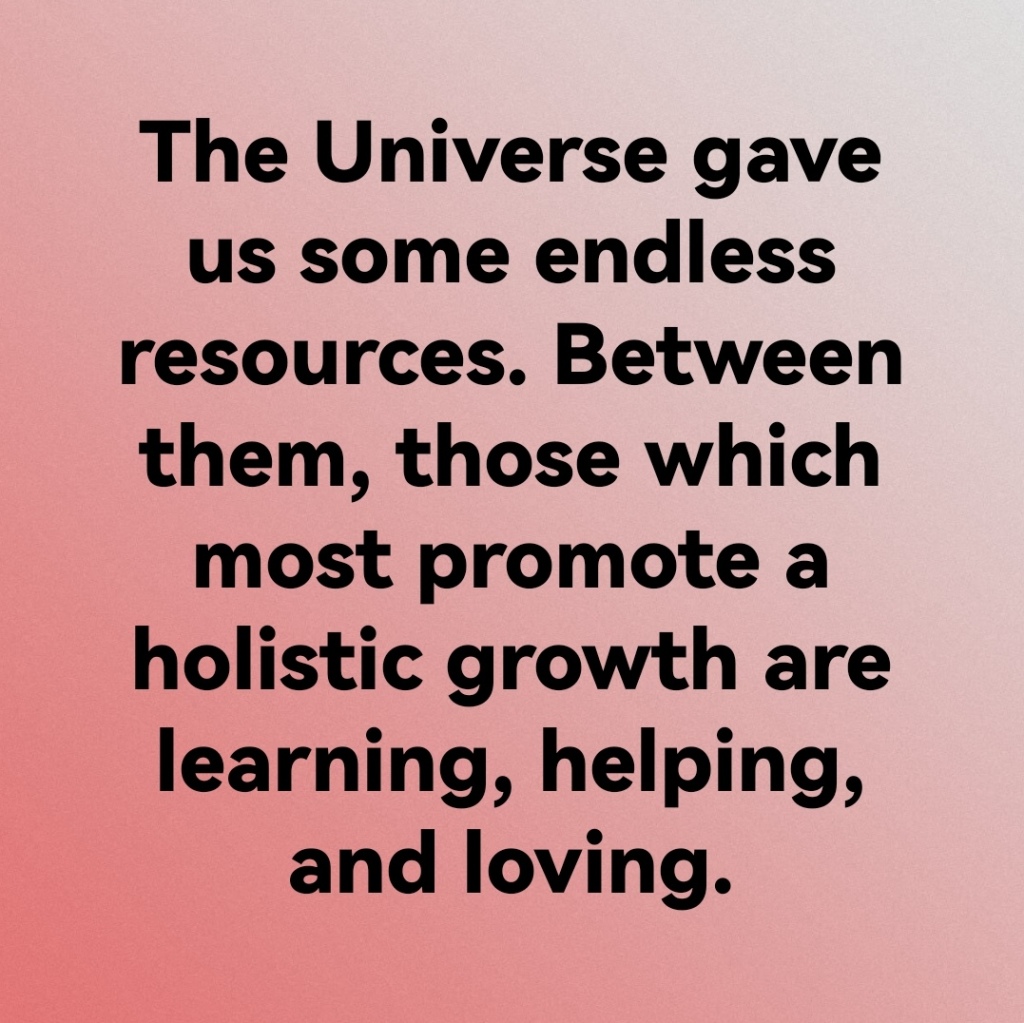
The Universe gave us some endless resources. Between them, those which most promote a holistic growth are learning, helping, and loving.

View original post

How couples can effectively deal with stress outside their relationship

Stress is a part of life, but it doesn’t have to have a negative impact on your relationship. In fact, couples who can effectively deal with stress together are more likely to have happy and fulfilling relationships.

Here are some tips on how couples can effectively deal with stress outside their relationship:

  • Talk to each other. Communication is key in any relationship, but it’s especially important when you’re dealing with stress. Talk to your partner about what’s stressing you out, and listen to what’s stressing them out. This will help you to understand each other’s perspective and to offer support.
  • Be supportive. When your partner is stressed, be there for them. Offer them your support, listen to them vent, and help them to find ways to cope with their stress.
  • Take care of yourselves. When you’re stressed, it’s important to take care of yourselves both physically and mentally. Make sure you’re getting enough sleep, eating healthy foods, and exercising regularly. These things will help you to manage your stress and to be better able to support your partner.
  • Find healthy ways to cope with stress. There are many healthy ways to cope with stress, such as exercise, relaxation techniques, and spending time with loved ones. Find what works best for you and your partner, and make sure you’re both taking time to relax and de-stress.
  • Don’t let stress spillover into your relationship. It’s important to try to keep your stress from spilling over into your relationship. If you’re feeling overwhelmed, take some time for yourself to relax and de-stress before you interact with your partner.

By following these tips, you can help to ensure that stress doesn’t have a negative impact on your relationship. Remember, you’re in this together, so support each other and take care of yourselves.

Here are some additional tips for couples who are dealing with stress outside their relationship:

  • Set boundaries. It’s important to set boundaries between your work life and your personal life. This means not bringing work stress home with you, and not letting your personal problems affect your work.
  • Take breaks. When you’re feeling stressed, it’s important to take breaks. Get up and move around, or step outside for some fresh air. Taking a few minutes to relax can help you to clear your head and to come back to your work or your relationship feeling refreshed.
  • Delegate tasks. If you’re feeling overwhelmed, don’t be afraid to delegate tasks to your partner or to other people. This will free up some of your time so that you can focus on the things that are most important.
  • Seek professional help. If you’re struggling to cope with stress on your own, don’t be afraid to seek professional help. A therapist can teach you coping mechanisms and help you to develop a stress management plan.

Remember, you’re not alone. Many couples deal with stress, but it doesn’t have to have a negative impact on your relationship. By following these tips, you can help to ensure that stress doesn’t ruin your relationship.

6 Things to Remember When You Feel Anxious in Your Relationships

Me? I have an anxious attachment style so I need to read articles like this because I learn things like this:

“When you’re feeling anxious, you might cling, act controlling, or argue over minor issues that make you feel neglected or rejected—all behaviors that can cause someone to withdraw. I can’t even count the number of times I caused unnecessary drama because I assumed that because I felt insecure, someone else had done something to make me feel that way.

Everything changed when I recognized I could pause, recognize how I was feeling (and why), and then choose to respond from a place of calm awareness.

If you can learn to recognize when you’re feeling triggered, you can practice regulating your own nervous system—through deep breathing, for example—instead of inadvertently pushing the other person away.”

Sooo…

“If you feel anxious in relationships and worry about being rejected or abandoned, it may help to read these six things.” Source: 6 Things to Remember When You Feel Anxious in Your Relationships – Tiny Buddha

If you can relate I recommend this book…

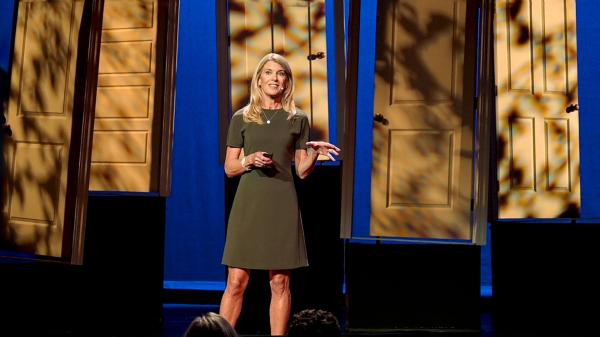
Robin Hauser: The likability dilemma for women leaders

Interesting perspective! Be sure to dial in on the Heidi/Howard data…

The dangers of artificial intelligence

Artificial intelligence (AI) is a rapidly developing technology with the potential to revolutionize many aspects of our lives. However, there are also some potential dangers associated with AI that we need to be aware of.

Some of the most serious dangers of AI include:

  • Loss of control: As AI systems become more powerful, there is a risk that we will lose control over them. This could happen if an AI system becomes self-aware and decides to act on its own, or if it is hacked by malicious actors.
  • Bias: AI systems are trained on data, and if that data is biased, the AI system will be biased as well. This could lead to AI systems making discriminatory decisions, such as denying loans to people of color or discriminating against women in the workplace.
  • Job displacement: As AI systems become more capable, they will be able to automate many jobs that are currently done by humans. This could lead to widespread job displacement, as well as economic inequality.
  • Weaponization: AI could be used to develop new and more powerful weapons. This could increase the risk of war and make it more difficult to achieve peace.
  • Cyberattacks: AI could be used to develop more sophisticated cyberattacks. This could lead to widespread disruption and damage, as well as the loss of sensitive data.

It is important to be aware of these dangers so that we can take steps to mitigate them. Some of the things we can do include:

  • Developing ethical guidelines for the development and use of AI.
  • Ensuring that AI systems are transparent and accountable.
  • Protecting against bias in AI systems.
  • Investing in education and training so that people can adapt to the changing job market.
  • Developing international agreements to regulate the development and use of AI.

The future of AI is uncertain, but it is important to start thinking about the potential dangers now so that we can avoid them. By taking steps to mitigate the risks, we can ensure that AI is used for good and not for harm.

In addition to the dangers listed above, there are also some other potential risks of AI that we need to be aware of. These include:

  • Privacy concerns: AI systems collect and analyze a lot of data about us, which raises privacy concerns. This data could be used to track our movements, monitor our online activity, or even predict our future behavior.
  • Social disruption: AI could lead to social disruption as jobs are lost and new technologies are adopted. This could lead to increased inequality and social unrest.
  • Environmental impact: The development and use of AI could have a negative impact on the environment. This is because AI systems require a lot of energy to operate, and they could also be used to develop new technologies that are harmful to the environment.

The dangers of AI are real, but they should not be overstated. AI is a powerful technology, but it is also a tool. It is up to us to decide how we use AI, and to ensure that it is used for good and not for harm.

If you read all the way to this point, you might be interested to know that this entire article (except this sentence) was written by Google Bard based on the instruction ‘write a blog post about the dangers of artificial intelligence’.

Book of the Day – Atlas of the Heart

Recommended reading…

Raffaello Palandri's avatarRaffaello Palandri's Blog

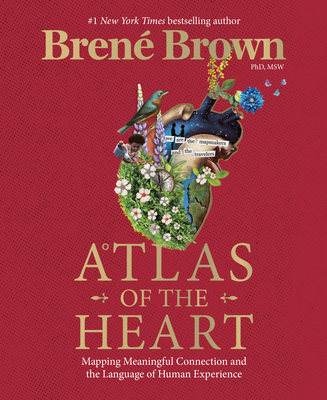
Today’s Book of the Day is Atlas of the Heart, written by Brené Brown in 2022 and published by Random House.

Brené Brown is a worldwide renowned author who studies courage, vulnerability, shame, and empathy and is the author of five #1 New York Times bestsellers: The Gifts of Imperfection, Daring Greatly, Rising Strong, Braving the Wilderness, and Dare to Lead. She is also a research professor at the University of Houston and a visiting professor in management at The University of Texas at Austin McCombs School of Business.

Atlas of the Heart, by Brené Brown

I have chosen this book because I have read all of Brene Brown’s books so I wanted to read her latest.

Known for her exceptional ability to explore vulnerability, resilience, and personal growth, Brown delivers a thought-provoking book that invites readers on an insightful, intimate journey towards…

View original post 432 more words

Clitoral Anatomy: The Unstudied Frontier

This title isn’t clickbait (although it is amusing) — it’s a tongue in cheek look at yet another way women are undervalued in our society and it brings forward a couple of really important issues…

The White Stripes; Seven Nation Army [Cover by @MarySpender]

Love the song and love Mary Spender. What can go wrong? Nothing!

A More Beautiful Question: The Power of Inquiry to Spark Breakthrough Ideas

This book is recommended by Raffaello Palandri here.

Are there parallels between stoicism and buddhism?

Yes, there are many parallels between Stoicism and Buddhism. Both philosophies emphasize the importance of virtue, wisdom, and living in accordance with nature. They also both teach that suffering is caused by attachment to material things and that the way to achieve happiness is to let go of these attachments.

Here are some of the key parallels between Stoicism and Buddhism:

  • The nature of suffering: Both Stoics and Buddhists believe that suffering is a natural part of life. However, they differ in their understanding of the cause of suffering. Stoics believe that suffering is caused by our attachment to material things and our judgments about external events. Buddhists believe that suffering is caused by our ignorance of the true nature of reality.
  • The path to happiness: Both Stoics and Buddhists believe that the path to happiness is to live in accordance with nature. Stoics believe that this means living a life of virtue, wisdom, and self-control. Buddhists believe that this means living a life of compassion, mindfulness, and detachment.
  • The importance of virtue: Both Stoics and Buddhists believe that virtue is essential for a happy and fulfilling life. Stoics define virtue as living in accordance with nature, while Buddhists define it as living a life of compassion, wisdom, and mindfulness.
  • The importance of wisdom: Both Stoics and Buddhists believe that wisdom is essential for a happy and fulfilling life. Stoics define wisdom as the ability to see things as they really are, while Buddhists define it as the ability to see the interconnectedness of all things.
  • The importance of meditation: Both Stoics and Buddhists practice meditation as a way to cultivate virtue, wisdom, and detachment. Stoics use meditation to train their minds to focus on the present moment and to control their emotions. Buddhists use meditation to train their minds to see the true nature of reality and to let go of attachments.

Despite their similarities, Stoicism and Buddhism also have some important differences. For example, Stoics believe in the existence of free will, while Buddhists believe that everything is determined by karma. Stoics also believe in the existence of a soul, while Buddhists believe that there is no such thing as a soul.

Despite these differences, Stoicism and Buddhism are both valuable philosophies that can offer us guidance on how to live a happy and fulfilling life.

What Marcus Aurelius Learned from His Father About Being a Good Man

Another excellent post from Ryan Holiday, this time about the things that Marcus Aurelius learned from his father:

Creating our own life

“We can literally create our own life by committing to choosing our actions, observing our thoughts, and practicing love, compassion, and empathy.” Raffaello Palandri

Creating our own life

True or false?

Dads — Official Trailer

Lovely documentary on Dads that just popped up on Apple TV+. Me? I have six sons and all of them have turned out to be fine men in their own way. I’m also blessed that my father is still among the living. I wrote about him and his influence on me in a post entitled I Thank God Every Day For My Dad and I’ve never thought of anything better to say since then…

4 Unsexy Ways To Build A Rock-Solid Relationship

A couples therapist shares tips for how to find joy in each other again. Source: 4 Unsexy Ways To Build A Rock-Solid Relationship

Eckhart on the Nobility of All

In his treatise on the nobility of all, Eckhart tells the peasants that “no one is nobler that you.”  We are equal, not ranked. What our Lord calls a nobleman, the prophet calls a great eagle.  Who then is nobler than one who is born, on the one hand of the highest and the best that the … Eckhart on the Nobility of All, Part II Read More: Eckhart on the Nobility of All, Part II – Daily Meditations with Matthew Fox

The Path to Happiness Is Narrow But Easy

Tolstoy was onto something about unhappy families. The solution is to put your relationships first!

“Two psychologists came to a clear answer to this in a 2008 article helpfully titled “What Do Happy People Do?To put it simply, they are social. The scholars found that, on average, “very happy” people socialize on 11 more occasions a year with relatives than unhappy people do, seven more times with neighbors, and five more times with friends. They also attend religious services seven more times each year. Happier people also rate the quality of their relationships more highly. According to research from 2002, people who label themselves “very happy” give the quality of their close friendships a 54 percent higher rating than “very unhappy” people do. Their family relationships were 73 percent better, and their romantic relationships were 161 percent better.” Go to the Source: The Path to Happiness Is Narrow But Easy

Descending To Nowhere with Rodrigo y Gabriela

So you like great guitarists? Your list of favorites is incomplete until you’ve experienced Rodrigo y Gabriela. My lovely friend took me to their show at the Orpheum in Madison, WI and seeing them play is an experience like none other.

Use apps like Songkick to see when they’re coming to a venue near you. You can thank me later…

What are the pros and cons of long distance relationships?

Long-distance relationships can be challenging, but they can also be rewarding. Here are some of the pros and cons to consider:

Pros:

  • Stronger emotional connection. When you can’t see each other in person, you have to rely on communication to stay connected. This can lead to a stronger emotional bond.
  • More time for yourself. When you’re not spending all of your time with your partner, you have more time for yourself to pursue your own interests and hobbies.
  • Less conflict. When you’re not living together, you’re less likely to get into petty arguments about things like chores or household chores.
  • More appreciation for each other. When you don’t see each other every day, you’re more likely to appreciate the time you do spend together.

Cons:

  • Lack of physical intimacy. One of the biggest challenges of a long-distance relationship is the lack of physical intimacy. This can be difficult to deal with, especially if you’re used to being close to your partner.
  • Feelings of loneliness and isolation. It can be easy to feel lonely and isolated when you’re in a long-distance relationship. This is especially true if you don’t have a strong support system of friends and family nearby.
  • Jealousy. It can be difficult to trust your partner when you’re not around them all the time. This can lead to feelings of jealousy, which can damage the relationship.
  • Uncertainty about the future. It can be difficult to know if a long-distance relationship will last. This can be a source of stress and anxiety for both partners.

If you’re considering a long-distance relationship, it’s important to weigh the pros and cons carefully. If you’re both committed to making the relationship work, it can be a rewarding experience. However, it’s important to be realistic about the challenges involved.

Here are some tips for making a long-distance relationship work:

  • Communicate regularly. This is the most important thing you can do to keep your relationship strong. Make sure to talk to each other on the phone, text, or video chat regularly.
  • Be honest with each other. It’s important to be honest with each other about your feelings, even if they’re negative. Bottling things up will only make things worse.
  • Trust each other. Trust is essential in any relationship, but it’s especially important in a long-distance relationship. If you can’t trust each other, the relationship will never work.
  • Visit each other as often as possible. Even if you can’t see each other every week, try to visit each other as often as you can. This will help you stay connected and keep the spark alive.
  • Be patient. Long-distance relationships take time and effort. Don’t expect things to be perfect right away. Be patient with each other and with the process.

If you’re both willing to put in the effort, a long-distance relationship can be a rewarding experience.

Start a Blog at WordPress.com.

Up ↑