Do you keep a task list? It can be very helpful in keeping on top of all the things you have to do. When you consider that many of the tasks we must perform come to us in an email, then knowing how to use Google’s integrated task feature is a great help. “Learn how to get started with Google Tasks in just seven minutes, on your desktop or phone. With the new Google Tasks, you’ll be more productive and organized than ever”: The 7-Minute Guide to Getting Started With Google Tasks
“If you wanted a simpler, back-to-basics to-do list app or wish you could get your tasks out of your inbox and into something more manageable, the new Google Tasks is a better tool than ever to handle it.” https://t.co/Qn9ZC8a4SDpic.twitter.com/Ww1Xhw6jwW
“Buddhism advises us to accept everything in our experience, pleasant and unpleasant, as our own. One practitioner on using the Buddha’s first teachings as a lodestar during the frightening uncertainty of aging.” https://t.co/L85EjVgBe7pic.twitter.com/KrY3IWoqCD
Du, du, liegst mir am Herzen, Du, du, liegst mir im Sinn. Du, du, machst mir viel Schmerzen, Weißt nicht, wie gut ich dir bin. Du, du, du, du, du, weißt nicht wie gut ich dir bin!
So, so wie ich dich liebe, So, so liebe auch mich! Die, die zärtlichsten Triebe Fühl’ ich allein nur für dich! Ja, ja, ja, ja, fühl’ ich allein nur für dich!
Doch, doch darf ich dir trauen, Dir, dir mit leichtem Sinn? Du, du kannst auf mich bauen, Weißt ja, wie gut ich dir bin. Ja, ja, ja, ja, weißt ja, wie gut ich dir bin.
Und, und wenn in der Ferne Mir, mir dein Herz erscheint, Dann, dann wünsch ich so gerne, Daß uns die Liebe vereint. Ja, ja, ja, ja, daß uns die Liebe vereint.
As a profession, medicine is beginning to be aware that we must care for the whole person, if we are to truly practise the art and science of our craft. Gone are the days when we could just stand by the bedside, pronounce the diagnosis and treatment from on high, and move on to the next person, with hardly a word being spoken by, or to, the patient. Our patients are becoming more aware, more informed, and more self-empowered when it comes to asking us for clear information about their condition. They are trying to communicate with us, and we are being asked to communicate with them. How do we respond to all this? Buzz words abound when it comes to communication – compassion, empathy, sympathy – but what do they all mean?


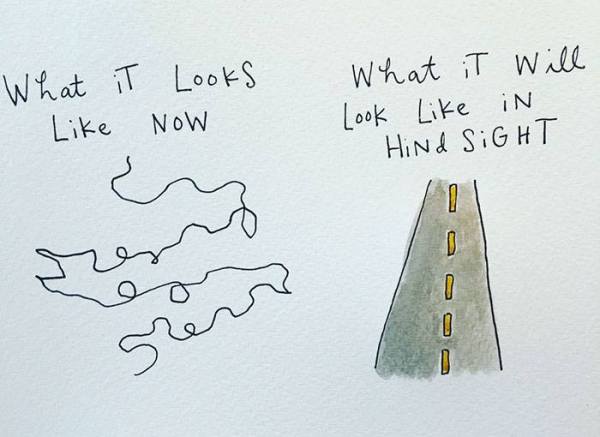


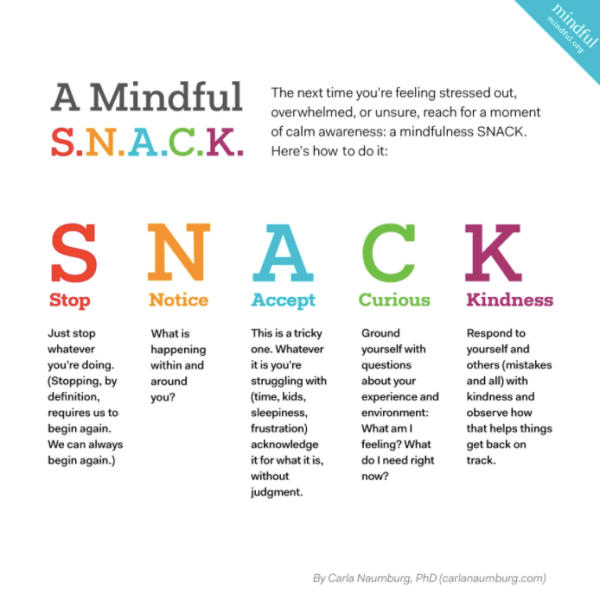
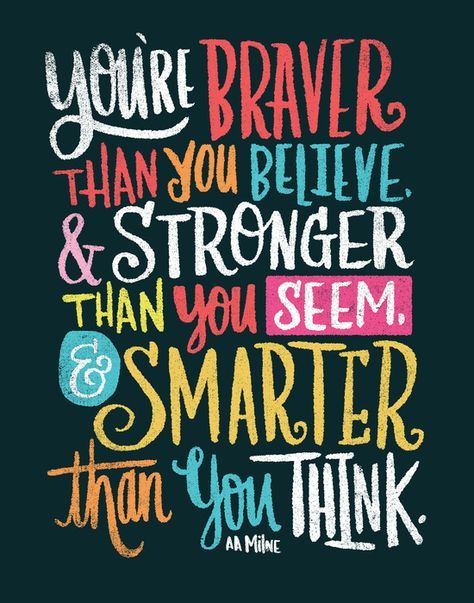




 Bright, shiny objects!
You must be logged in to post a comment.