Happiness Is Often What Happens When You Stop Avoiding Your Life

Happiness is often treated like a prize hidden somewhere beyond the next achievement, relationship, purchase, or reinvention. But a more honest question may be simpler: on an ordinary day, with the life you actually have, are you comfortable being you?

In “Are You Happy Being You?”, psychotherapist Robert Taibbi argues that unhappiness is usually not a mysterious condition. It is the residue of something else: problems left unresolved, a relentlessly critical inner voice, a fading sense of purpose, or the loneliness of feeling unseen.

That framing matters because it turns happiness from a verdict on your personality into a clue about your life. You may not be broken. You may simply be carrying too many things you have postponed, punished yourself for, outgrown, or tried to endure alone.

Continue reading “Happiness Is Often What Happens When You Stop Avoiding Your Life”


The Good Kind of Selfish: When Honoring Yourself Is Healthy

“Selfish” is one of those words that arrives with its verdict already attached. We hear it and picture greed, entitlement, or someone taking the last slice without so much as a glance around the table.

But what if that reflexive condemnation causes us to confuse self-absorption with something essential: the ability to recognize and honor our own needs?

In “Honoring Thy Self: The Unsung Virtues of Selfishness,” clinical and forensic psychologist Stephen A. Diamond argues that some people do not need to become less selfish. They need to learn how to be selfish in the right way.

Continue reading “The Good Kind of Selfish: When Honoring Yourself Is Healthy”

When Information Is Free, Trust Becomes the Work

A trusted partner said something to me on LinkedIn today that stopped me cold—not because it was flashy, but because it named a real problem of our moment.

In a time when endless information is free and figuring out what to act on is hard, I believe organizing & operationalizing the truly good stuff is a must. I am on a mission to produce the world’s largest, high-trust, free resource library for commercial and industrial consumers. Energy isn’t getting cheaper and at the moment, it’s not becoming more abundant relative to demand growth. So, half my time now goes to this mission. Half. That’s how I’m doing it.

Daniel Burke, co-founder and CEO of Tactical Energy Group, in a LinkedIn conversation

That phrase—organizing and operationalizing the truly good stuff—brought me back to what I learned years ago from Peter Drucker. The shortage is rarely raw information. The shortage is disciplined attention, trusted judgment and the willingness to convert knowledge into action.

Continue reading “When Information Is Free, Trust Becomes the Work”

What We Stop Seeing: Habituation, Gratitude, and the Return of Tefnut

Most of us don’t notice what holds our lives together. We notice the urgent email, the strange noise in the car, the person who disappoints us. We rarely notice the clean water, the functioning lungs, the patient friend, or the colleague who quietly keeps the whole enterprise from wobbling.

That isn’t simply ingratitude. It is also how attention works. Familiar, nonthreatening things fade into the background so we can respond to what is new. Habituation makes daily life possible—and, at the same time, makes it dangerously easy to forget what makes daily life possible.

In Until It’s Gone: Escaping the Trap of Habituation, social scientist and therapist Karima Joy gives this very modern problem an ancient face: Tefnut, the Egyptian goddess of moisture and rain.

Continue reading “What We Stop Seeing: Habituation, Gratitude, and the Return of Tefnut”

The Relationship Isn’t Right for You, but Why Do You Stay?

Many people stay in unhealthy or even abusive relationships because early experiences and lessons from their family teach them what to expect in relationships.

In the article “The Relationship Isn’t Right for You, but Why Do You Stay?” from Psychology Today, the author explores the reasons why individuals may remain in unhealthy or abusive relationships. It delves into how early life experiences and lessons learned from family can shape one’s expectations and perceptions of relationships, making it difficult to recognize when a relationship is detrimental. The insights provided encourage readers to reflect on their own relationship dynamics and the impact of their upbringing on their current situation.

For a deeper understanding of this compelling topic, be sure to read the original article: The Relationship Isn’t Right for You, but Why Do You Stay?


Retirement Isn’t the Finish Line. It’s a Rewrite.

Retirement is often sold as a permanent vacation. The reality is richer—and messier.

Leaving full-time work can bring welcome freedom, but it can also unsettle the routines, relationships, identity, and sense of purpose that work quietly supplied.

Psychologist Jasmin Tahmaseb-McConatha offers a more honest frame: retirement is not a finish line but a process of rebuilding meaning. That means making room for both relief and grief, then creating a satisfying new reality one day at a time.

The most useful takeaway is wonderfully ordinary. A walk, coffee with a friend, a creative project, meaningful work, or a story shared across generations can become the architecture of a good day. These are not ways to fill time; they are ways to reclaim connection, contribution, and belonging.

Who am I now—and what still makes me feel useful, connected, and alive?

If retirement is approaching—or already feels less simple than advertised—this thoughtful essay is worth your time.

Read: Creating a Satisfying Retirement Experience by Jasmin Tahmaseb-McConatha, Ph.D., at Psychology Today.

10 Signs That Someone Is Trying to Gaslight You

Gaslighting is a manipulative tactic that causes someone to doubt their perception and reality. The article “10 Signs That Someone Is Trying to Gaslight You” outlines key indicators that may suggest you are a target of such behavior. These signs include persistent denial of facts, emotional manipulation, and efforts to isolate the victim from support networks. Recognizing these behaviors is crucial for self-empowerment and protecting one’s mental health.

To understand more about these warning signs and how to navigate such situations, read the original article: 10 Signs That Someone Is Trying to Gaslight You


How to Change the Minds of Conspiracy Theory Believers

Conspiracy theories aren’t always immune to evidence—they may simply require the right evidence, delivered clearly and respectfully.

A new study found that an AI chatbot offering personalized, fact-based responses reduced participants’ confidence in conspiracy theories by about 20 percent on average. Remarkably, the change persisted two months later, even among people whose beliefs had initially been strong.

The findings challenge the assumption that reasoning with conspiracy believers is futile. They also suggest that listening closely, addressing someone’s specific claims, and responding without ridicule may be more effective than presenting a generic fact-check.

Read the full article at Psychology Today.

Consistent Exercise Builds Better Mood, Deeper Sleep

The secret to a better mood and deeper sleep isn’t a harder workout. Two new studies explain why consistency wins. Bonus: a “Karate Kid” reference.

Consistency in exercise has been shown to significantly improve mood and enhance the quality of sleep, according to two recent studies highlighted in a Psychology Today article. The findings emphasize that it’s not about rigorous workouts but how maintaining a regular exercise routine can lead to these beneficial effects. Interestingly, a reference to “The Karate Kid” is included, illustrating that practice and consistency are key to mastery—not just in martial arts, but in life.

For a deeper understanding of how consistent exercise can positively impact your well-being, be sure to read the full article: Consistent Exercise Builds Better Mood, Deeper Sleep


What Your Partner Needs (Isn’t What You’d Need)

New research highlights a common tendency in relationships: when we comfort our partners, we often rely on coping strategies that are effective for us personally, rather than considering what our partners genuinely need. The solution lies in openly expressing and naming our own needs. Understanding this dynamic can lead to deeper emotional connections and more effective support in relationships.

To dive deeper into this insightful topic, read the original article What Your Partner Needs (Isn’t What You’d Need).

The Stoic Antidote to Frustration

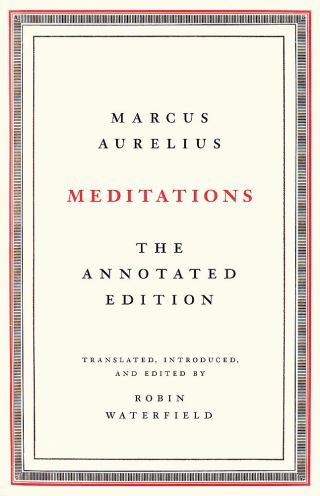
In the article from The Marginalian, the author explores the significance of Marcus Aurelius’s “Meditations,” translated by Robin Waterfield. This work offers profound insights into Stoic philosophy and the art of living a virtuous life. The translation highlights Aurelius’s reflections on resilience, mindfulness, and the human experience, making it accessible and compelling for modern readers.

To delve deeper into the wisdom of Marcus Aurelius and understand how it can enrich your life, read the original article here.

Now and Then; the Beatles Drop Their ‘last Song’

In case you haven’t heard, the Beatles dropped their ‘last song’ yesterday. “Peter Jackson has detailed the “overwhelming” task of creating the music video for Now and Then.” Go to the source if you’re interested in knowing how Paul and Ringo used AI to complete the lost, last song: George Harrison’s son moved to tears by Now and Then


Start a Blog at WordPress.com.

Up ↑